Seoul Apartment Prices Break $1.3M Average as Government Scrambles for Solutions
Seoul's average apartment price has surpassed 1.52 billion won ($1.3 million) for the first time in history, according to data released by the Korea Real Estate Board on September 14, 2025. This represents a 2.3% monthly increase and places Seoul among the world's most expensive property markets, surpassing London and approaching San Francisco levels when adjusted for local income levels.
The most dramatic increases have occurred in Seoul's prestigious Gangnam district, where reconstruction apartments now average 3 billion won ($2.52 million). The Raemian One Bailey complex in Banpo recently saw an 84-square-meter unit (approximately 900 square feet) sell for 4.5 billion won ($3.78 million), setting a new record. For American readers, this equates to over $4,200 per square foot, exceeding Manhattan's most exclusive addresses like 432 Park Avenue or One57.
Government Emergency Measures
In response to the crisis, the Korean government has announced emergency measures that would be considered extreme by American standards. The capital gains tax on multiple property owners will increase to 75%, compared to the maximum 20% long-term capital gains tax on real estate in the United States. Additionally, mortgage restrictions are being tightened further, with loan-to-value ratios capped at 20% for non-primary residences.
The government has also pledged to fast-track construction of 100,000 public housing units in Seoul and surrounding areas. However, critics argue this supply injection is insufficient given Seoul's population of 9.5 million and chronic housing shortage. Unlike American cities where suburban sprawl provides pressure relief, Seoul's geography – surrounded by mountains and the DMZ to the north – severely limits expansion options.
Understanding Korea's Unique Property Market
Korea's real estate market operates on the "jeonse" system, unique globally and unfamiliar to American readers. Under jeonse, tenants provide a large deposit (typically 50-80% of the property value) instead of monthly rent, which landlords invest and return at lease end. With jeonse deposits for Seoul apartments now exceeding $800,000, many young Koreans are permanently priced out of both buying and renting.
The cultural importance of property ownership in Korea far exceeds that in the United States. While Americans increasingly embrace renting as a lifestyle choice, Koreans view apartment ownership as essential for marriage and social status. This cultural pressure, combined with the country's excellent education system being tied to residential addresses, creates demand that purely economic measures struggle to address.
Comparative Housing Affordability Crisis
The affordability crisis in Seoul has reached unprecedented levels. A typical 30-something office worker would need to save their entire salary for 25 years to purchase an average Seoul apartment, assuming zero living expenses. By comparison, the median American worker would need approximately 5-7 years of gross income to purchase the median-priced home, making Seoul roughly four times less affordable than even expensive American cities.
The price-to-income ratio in Seoul now stands at 18.5, compared to 11.2 in San Francisco and 13.2 in Los Angeles. However, unlike American cities where high prices often correlate with high local wages (tech salaries in San Francisco, finance salaries in New York), Seoul's wages haven't kept pace with property appreciation, creating a more severe affordability gap.
Economic Drivers and Market Dynamics
Several factors unique to Korea's economic structure have fueled this price surge. The country's household debt-to-GDP ratio of 106% exceeds that of the United States at the peak of the 2008 housing bubble. Ultra-low interest rates, maintained to support export competitiveness, have channeled massive liquidity into real estate as one of the few domestic investment options offering returns above inflation.
Additionally, Korea's chaebol (large conglomerate) employment system concentrates high-paying jobs in Seoul, creating unavoidable demand. Unlike the United States, where remote work has enabled geographic dispersion post-COVID, Korean corporate culture still demands physical presence, preventing the demand distribution seen in American cities.
Global Investment and Speculation Concerns
International investors, particularly from China and Southeast Asia, have increasingly viewed Seoul real estate as a safe haven asset, similar to how global capital flows into New York and London property. However, unlike the United States, which generally welcomes foreign real estate investment, Korea is considering restrictions similar to those in New Zealand and Canada, potentially banning non-resident foreign purchases.
The speculation concern is particularly acute in the reconstruction apartment sector, where buyers purchase units in older complexes anticipating redevelopment windfalls. This practice, with no real American equivalent, has created a secondary market where 40-year-old apartments in prime locations trade at premiums based purely on redevelopment potential, further distorting the market.
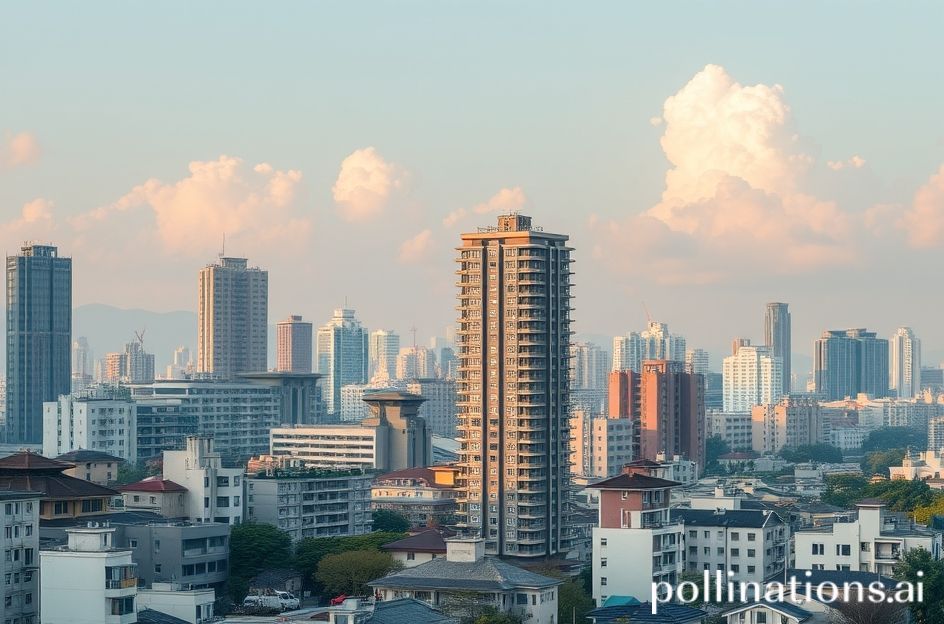
Source: TrendyNews Korea
Market Analysis and International Comparison
The $1.3 million average represents a significant milestone in Seoul's property market evolution. To put this in perspective for American readers, this figure is comparable to median home prices in cities like San Francisco Bay Area suburbs or Manhattan co-ops, making Seoul one of the world's most expensive property markets alongside New York, London, and Hong Kong.
The Korean government's response reflects growing concerns about housing affordability that mirror similar challenges faced by major metropolitan areas globally. Unlike the United States, where homeownership rates hover around 65%, South Korea maintains a unique "jeonse" system where tenants provide large deposits instead of monthly rent, creating additional complexity in the housing market dynamics.
Industry experts point to several factors driving these unprecedented price increases. Foreign investment, particularly from Chinese buyers, has contributed to demand pressures, while Korea's rapid economic development and tech industry growth have created a concentration of high-paying jobs in the Seoul metropolitan area. This mirrors patterns seen in Silicon Valley, where tech industry concentration has driven housing costs beyond reach for many residents.
The government's proposed solutions include expanded public housing programs and stricter lending requirements, similar to measures implemented in other expensive global cities. However, critics argue that supply-side solutions are insufficient given Seoul's geographic constraints and the cultural preference for living in the capital region.
For international observers, Seoul's housing crisis offers insights into the challenges facing developed economies with concentrated urban growth. The situation underscores the global nature of housing affordability issues and the need for innovative policy solutions in densely populated metropolitan areas.
Original Korean article: Read more at TrendyNews Korea
Comments
Post a Comment