South Korea Bans Smartphones in Classrooms Nationwide Starting March 2026
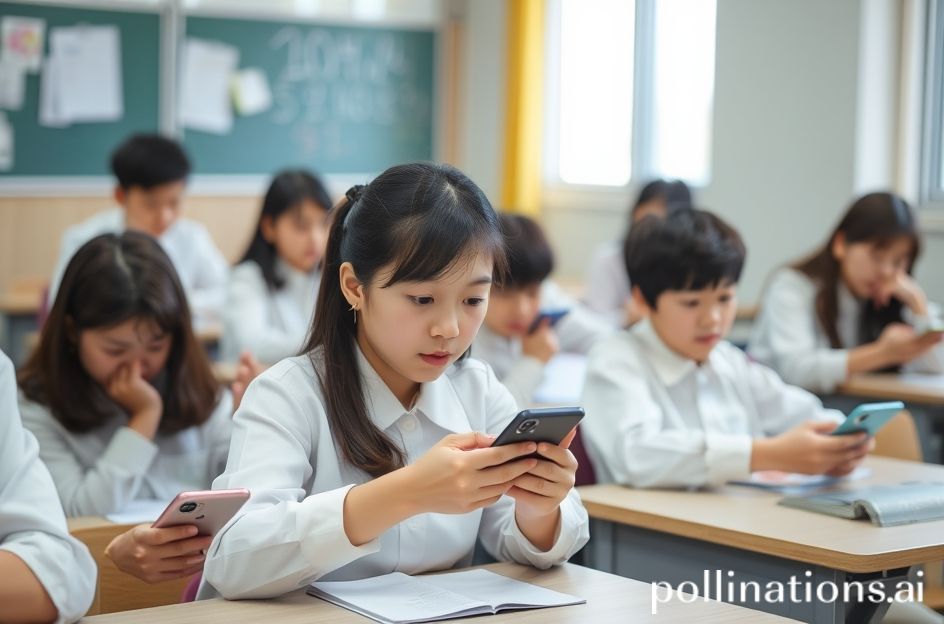
South Korea's Ministry of Education has announced a nationwide ban on smartphone use during classroom instruction and examinations, effective March 2026. The comprehensive policy, emerging from a successful two-year pilot program involving 500 schools, represents one of the most significant educational technology restrictions implemented by a developed nation and could influence global discussions about digital device use in schools.
Addressing the Digital Distraction Crisis
For American readers, South Korea's smartphone restriction parallels growing concerns in U.S. schools about digital distractions, but with a much more systematic and comprehensive approach. While American schools typically handle phone policies at the district or individual school level, South Korea is implementing a coordinated national strategy that affects all public and private schools simultaneously.
The policy requires schools to implement one of two approaches: installing dedicated phone storage lockers where students deposit devices during class, or mandating that students power off their devices completely during instructional time. Unlike complete bans that some American schools have experimented with, the Korean approach maintains exceptions for emergency situations and educational purposes, suggesting a more nuanced understanding of technology's role in education.
The timing of implementation—March 2026—provides schools nearly 18 months to prepare infrastructure and train staff, demonstrating the careful planning that has characterized South Korea's approach to educational policy. This contrasts with more reactive approaches often seen in American school districts, where phone policies are frequently implemented quickly in response to immediate problems.
Evidence-Based Policy Development
The Korean policy is notable for its foundation in systematic pilot testing rather than ideological positions about technology. The two-year pilot program involving 500 schools provided concrete evidence of benefits: 23% increase in student class participation, significant reduction in classroom distractions, and enhanced teacher-student interactions. These results offer hard data that could inform similar policy discussions in American schools.
One middle school teacher quoted in Korean reports noted: "Without phones, students are more focused and communicate more with each other." This observation aligns with growing American research about the impact of constant digital connectivity on adolescent social development and attention spans. However, the Korean approach provides systematic implementation and measurement that most American studies lack.
The policy also reflects broader Korean concerns about digital addiction among young people. South Korea has one of the world's highest rates of internet and smartphone penetration, making it an ideal laboratory for understanding the educational impacts of ubiquitous digital connectivity. The lessons learned could be particularly relevant for American schools dealing with similar levels of device saturation.
Cultural Context and Digital Natives
An education official's statement that the policy will help "digital native" students "rediscover the importance of analog communication" reveals sophisticated thinking about generational technology use. For American educators, this framing suggests that the issue isn't anti-technology sentiment but rather concern about balanced development of different communication and learning skills.
South Korean students, like their American counterparts, have grown up with smartphones as constant companions. However, Korean educational culture places stronger emphasis on classroom discipline and respect for teacher authority, potentially making implementation of such restrictions more feasible than in many American contexts where individual rights and parental involvement in school policies are more prominent concerns.
The policy's focus on preserving analog communication skills reflects uniquely Korean concerns about maintaining traditional social relationships and hierarchies in an increasingly digital world. While American discussions about phone restrictions often focus on academic performance and classroom management, the Korean approach includes explicit goals about social development and interpersonal skills.
Implementation Strategy and Infrastructure
The requirement for phone storage lockers represents a significant infrastructure investment that demonstrates government commitment to supporting the policy practically. For American school administrators considering similar policies, the Korean model provides a template for systematic implementation that goes beyond simply announcing restrictions.
The alternative option of requiring powered-off devices acknowledges practical limitations while maintaining policy goals. This flexibility suggests Korean policymakers understand that one-size-fits-all approaches may not work for every school context, offering lessons for American districts that often struggle with balancing consistency and local autonomy.
The policy's emergency exceptions also reflect careful consideration of legitimate safety concerns that American parents and administrators frequently raise about phone restrictions. By maintaining emergency access while eliminating routine classroom use, the Korean approach attempts to balance safety concerns with educational goals.
Global Implications and International Trends
South Korea's systematic approach to classroom phone restrictions could influence international educational policy, particularly given the country's reputation for educational achievement and innovation. American educators and policymakers often look to high-performing educational systems like South Korea's for guidance on best practices.
The policy also comes at a time when several European countries, including France and the Netherlands, have implemented or are considering similar restrictions. South Korea's evidence-based approach and systematic implementation could provide a model for other countries considering similar policies, including potentially influencing American state-level education policy.
For American technology companies that develop educational products, the Korean policy signals potential shifts in global markets toward more restrictive technology use in schools. This could influence product development and marketing strategies for companies serving international education markets.
Lessons for American Education Policy
The Korean approach offers several insights for American educators and policymakers. First, the extensive pilot testing demonstrates the value of evidence-based policy development rather than ideological positions about technology. Second, the systematic national implementation shows how coordinated approaches can avoid the inconsistency that often characterizes American educational technology policies.
The policy's focus on preserving face-to-face communication and reducing digital distraction aligns with growing American concerns about adolescent mental health and social development. However, the Korean cultural context—with stronger emphasis on collective goals and educational authority—may make such policies easier to implement than in American contexts that prioritize individual choice and parental rights.
For American schools struggling with digital distraction issues, the Korean model suggests that systematic, well-supported restrictions can be effective without completely eliminating beneficial uses of technology. The key appears to be clear policies, adequate infrastructure, appropriate exceptions, and strong institutional support for implementation.
The long-term outcomes of South Korea's policy will be closely watched by international educators. If successful, it could accelerate global trends toward more restrictive classroom technology policies. If challenges emerge, the lessons learned could help other countries develop more effective approaches to balancing technology benefits with educational focus.
Source: Original Korean article
Original Korean Article: https://trendy.storydot.kr/school-phone-restriction-2026-sep10-2nd/
Comments
Post a Comment