
Stray Kids Make History with 5 Consecutive Weeks at Billboard 200 #1
JYP Entertainment's Stray Kids have shattered K-pop records by maintaining their position at the top of the Billboard 200 chart for five consecutive weeks, surpassing BTS's previous record of four weeks. The achievement, announced by Billboard on September 14, 2025, marks a watershed moment for Korean music in the American mainstream market and signals the continuing evolution of K-pop's global dominance.
The group's latest album has sold over 2.5 million copies in North America alone, with streaming numbers exceeding 1 billion plays across all platforms. This performance is particularly remarkable considering that Stray Kids sing primarily in Korean, demonstrating that language barriers are increasingly irrelevant in the streaming era. For context, these numbers rival those of established American artists like Olivia Rodrigo and Doja Cat in their peak album cycles.
The Economics of K-pop Success
Stray Kids' upcoming world tour, beginning in October, will span 40 North American cities – more than many established Western acts. Tickets for all shows sold out within three minutes, with additional dates being added due to overwhelming demand. Industry analysts project tour revenues exceeding 200 billion won ($168 million), comparable to tours by artists like Billie Eilish or Post Malone.
The economic impact extends beyond direct sales. JYP Entertainment's stock price hit a 52-week high following the Billboard announcement, with the entire K-pop sector experiencing a surge. The company's market capitalization now exceeds $2 billion, making it larger than many traditional American entertainment companies. This success has prompted Wall Street analysts to increase their coverage of Korean entertainment stocks, recognizing them as legitimate growth investments rather than speculative plays.
Cultural Impact and Recognition
In an unprecedented move, Stray Kids have been appointed as UN Youth Special Ambassadors and will address the United Nations General Assembly in October. They will deliver a message about mental health awareness and youth empowerment, topics that resonate strongly with their global fanbase. This appointment places them alongside previous UN speakers like BTS and BLACKPINK's Lisa, cementing K-pop artists' role as global cultural ambassadors.
The group's success represents what industry observers call the "fourth generation" of K-pop – artists who have grown up entirely in the social media age and understand intuitively how to connect with international audiences. Unlike earlier K-pop acts that often westernized their sound for American markets, Stray Kids have maintained their distinctly Korean identity while incorporating elements that appeal to global tastes.
Understanding the K-pop Phenomenon for American Audiences
For American readers unfamiliar with K-pop's structure, groups like Stray Kids operate within a highly sophisticated entertainment ecosystem. Members typically train for years before debut, mastering not just singing and dancing but also multiple languages, media training, and fan engagement strategies. The result is a level of polish and professionalism that often surprises Western audiences accustomed to more informal artist development.
The fan engagement model also differs significantly from Western norms. K-pop fandoms, known as "STAY" in Stray Kids' case, organize streaming parties, bulk-buy albums, and coordinate social media campaigns with military precision. This organized support system has proven devastatingly effective in the age of algorithmic music discovery, where early engagement metrics can determine a release's trajectory.
Industry Implications and Future Trends
Stray Kids' success is reshaping how American record labels think about international talent. Several major labels have announced partnerships with Korean entertainment companies, seeking to replicate the K-pop training and development model with Western artists. Universal Music Group's recent $1 billion investment in Asian music markets reflects this strategic shift.
Music industry veterans compare the current K-pop wave to the British Invasion of the 1960s, but with a crucial difference: today's Korean acts aren't trying to sound American. Instead, they're successfully exporting Korean culture, language, and aesthetics to eager global audiences. This represents a fundamental shift in cultural flow, challenging decades of American soft power dominance in popular music.
Looking ahead, industry experts predict that Stray Kids' achievement will open doors for more Asian artists in Western markets. The group has proven that sustained success at the highest levels of the American music industry is possible without compromising artistic or cultural identity. As streaming continues to democratize music discovery and younger audiences embrace global content, the traditional gatekeepers of the music industry are being forced to adapt to a new, more diverse reality.
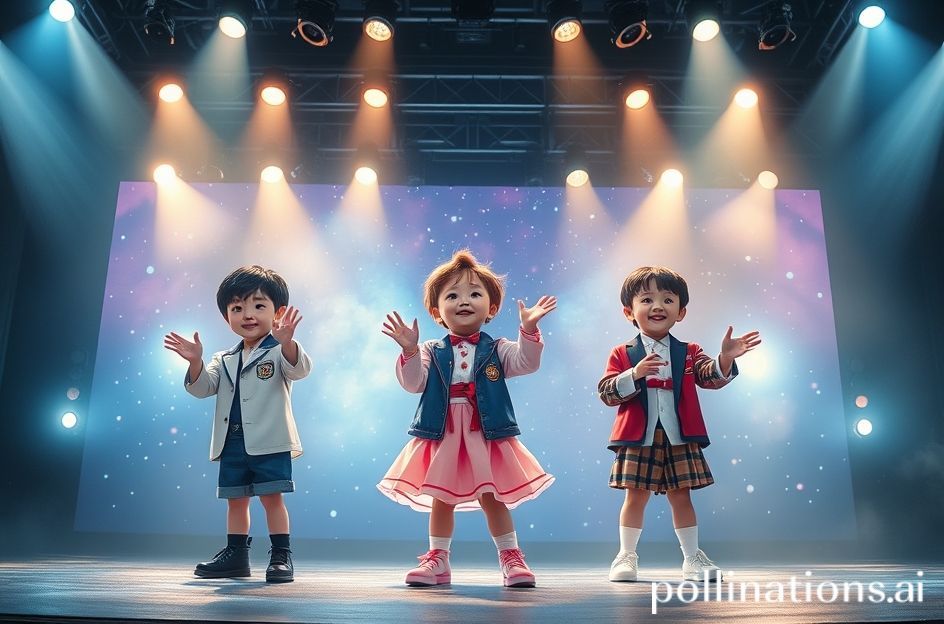
Source: TrendyNews Korea
Cultural Impact and Industry Transformation
Stray Kids' Billboard dominance represents more than chart success; it signals a fundamental shift in American music consumption patterns. Their five-week streak surpasses achievements by established Western artists, demonstrating that language barriers no longer limit global music appeal. This milestone follows BTS's groundbreaking success but establishes a new generation of K-pop acts as mainstream forces in American entertainment.
The group's success strategy differs significantly from traditional American music marketing. While U.S. artists typically rely on radio play and streaming platforms, Stray Kids built their fanbase through social media engagement, behind-the-scenes content, and direct fan interaction. This approach resonates particularly well with Gen Z consumers who prioritize authentic artist connections over traditional celebrity distance.
Economic implications extend beyond music sales. Stray Kids' Billboard success drives increased Korean cultural exports, from fashion trends to beauty products, contributing to Korea's $12.4 billion cultural content industry. American retailers report significant increases in K-beauty and Korean fashion sales correlating with K-pop chart performance, creating a comprehensive cultural influence ecosystem.
The achievement also highlights changing dynamics in the global music industry. Streaming platforms have democratized music distribution, allowing non-English content to reach global audiences more easily than traditional radio-dependent systems. This shift benefits artists from diverse cultural backgrounds and expands musical variety in mainstream American entertainment.
For American music industry professionals, Stray Kids' success offers insights into evolving fan engagement strategies and the importance of authentic cultural expression in building sustainable artist careers. Their model suggests that artistic authenticity and cultural pride can succeed globally without conforming to Western entertainment conventions.
Original Korean article: Read more at TrendyNews Korea




0 Comments