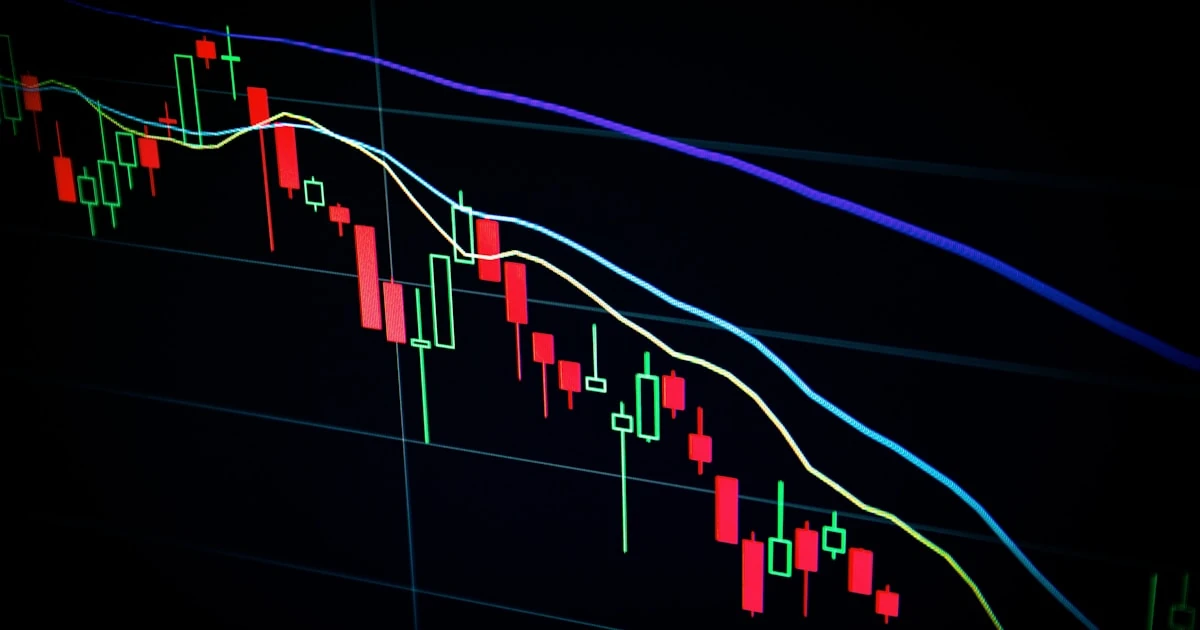
A global food price gauge is climbing again
A widely watched United Nations measure of global food costs rose 2.4% in April from the previous month, a move that is drawing fresh attention in South Korea, where much of the modern food supply depends on imported grain, cooking oils and animal feed. On paper, that may sound like one more economic data point in an era saturated with them. In practice, it is the kind of signal policymakers, food manufacturers, restaurant operators and families all watch closely, because food inflation tends to land differently from other price increases. People may not track shipping rates or wholesale commodity contracts, but they notice right away when frying oil costs more, when instant noodles get pricier, or when eating out feels harder to justify.
The index, published by the U.N. Food and Agriculture Organization, matters not because one category spiked in isolation, but because several did at once: cereals, vegetable oils and meat all moved higher. That combination is especially important in South Korea, where international price swings often reach grocery stores and restaurant menus with a delay. The country grows rice domestically and has long treated food security as a serious policy issue, but the modern Korean diet, like that of many advanced economies, is tied to global supply chains in ways that go far beyond rice bowls. Wheat goes into bread, noodles, snacks and batter. Corn affects animal feed and processed ingredients. Soybean, palm and sunflower oils are used not just in bottled cooking oil but throughout the packaged-food industry and restaurant kitchens. Meat prices touch everything from supermarket purchases to some of the country’s most popular dining traditions.
For American readers, one useful comparison is the way higher wheat, beef and soybean prices can ripple through U.S. grocery aisles, raising the cost of cereal, chicken, snack foods and fast food over time rather than all at once. South Korea faces a similar chain reaction, but often with greater sensitivity to imports and currency moves. That is why economists in Seoul do not read the latest food-price index as an automatic warning of runaway inflation tomorrow. Instead, they see it as an early indicator, one that suggests the next few months could bring new pressure to the everyday cost of eating.
Why South Korea is especially exposed
South Korea is one of the world’s most trade-dependent economies, and that reality extends to food. While the country has a strong domestic agricultural sector in some areas, it relies heavily on imported raw materials for processed foods, animal feed and a meaningful share of the meat consumed by households. The result is a familiar but uncomfortable equation: when global commodity prices rise, Korean businesses eventually face higher costs, and those higher costs often work their way into consumer prices.
Food inflation can also feel more politically and socially sensitive in South Korea than many other kinds of inflation. The Korean phrase often used in these discussions, “bapsang mulga,” refers loosely to the cost of the family table — the everyday expense of feeding a household. It is more intimate than a dry reference to the consumer price index. It evokes the price of cooking oil, noodles, lunch boxes, side dishes and restaurant meals — the items people buy constantly and feel immediately. In the United States, politicians often talk about “kitchen-table issues.” In South Korea, the idea is similar, but it is often discussed through the lens of the dinner table itself.
That matters because South Korean consumers have already spent years navigating inflation fatigue. Even when headline inflation cools, households may continue to feel squeezed if food, utilities and housing-related costs stay elevated. In that environment, a rise in global food prices can carry an outsized psychological effect. Consumers may cut discretionary spending. Businesses may hesitate before passing costs on, worried about public backlash and weaker demand. Government officials may step in with temporary measures to slow or soften the blow. The challenge is that no domestic policy can fully insulate the country from sustained global increases in the cost of basic food inputs.
There is also a timing issue. Large food companies do not always reprice products overnight. Many work through long-term purchase contracts, maintain inventories and hedge some currency risk. That means the path from global commodity markets to the supermarket shelf is uneven. The first signal may show up in corporate margins rather than consumer receipts. But if the rise in grain, oils and meat persists for several months, the room to absorb costs starts to narrow, and pressure to adjust retail prices grows stronger.
How grain, cooking oil and meat feed into daily life
Each of the categories now moving higher reaches Korean consumers through a slightly different route. Grain prices tend to have the broadest footprint. Wheat is essential to flour-based foods, including bread, crackers, instant noodles, pastries and many convenience items sold in supermarkets and convenience stores. Corn matters not just as food but as feed and as an ingredient in starches and sweeteners used in processed products. South Korea may be culturally associated abroad with rice, but imported grains remain central to what many people actually eat in a typical week, especially in urban households and among younger consumers who rely more heavily on packaged foods and quick meals.
Vegetable oils are another deceptively important category. When prices for soybean oil, palm oil or sunflower oil rise, the effect does not stop at the grocery shelf where bottles of cooking oil are sold. It reaches fried foods, snack foods, baked goods, frozen meals and restaurant operations. Anyone familiar with the economics of the American fast-food industry knows that a higher price for fryer oil can alter margins quickly. The same is true in South Korea, where fried chicken chains, snack manufacturers and convenience-food producers play an enormous role in the food economy. The country’s fried chicken culture — a major social and commercial force, not just a menu category — means cooking oil costs can become a real consumer issue faster than outsiders might expect.
Meat prices create a two-track challenge. If global meat prices rise, imported meat becomes more expensive to bring into the country. At the same time, higher grain prices can increase feed costs for domestic livestock producers, raising the cost of locally produced meat as well. That combination can make it difficult for the market to find relief from one side or the other. Even if imported pork or beef stabilizes, domestic producers may still be squeezed by feed costs. Even if local supply holds up, imported products can stay expensive.
This dynamic matters in South Korea because meat is embedded in both home cooking and social dining. Korean barbecue, for instance, is not just a specialty meal for tourists. It is a major category in the restaurant industry and a familiar part of social life. Pork cutlets, fried chicken, lunch-box meats, convenience-store products and delivery menus all sit somewhere downstream from the same web of commodity prices. When grain, oils and meat rise together, the pressure does not stay confined to one aisle or one restaurant chain. It spreads across the food system.
The hidden amplifiers: exchange rates and shipping costs
One reason global food-price moves can hit South Korea harder than the headline number suggests is that the country does not buy commodities in a vacuum. The U.N. index is typically understood in dollar terms, but Korean companies and consumers ultimately face import costs in won. That means exchange rates can either cushion or magnify what is happening in world markets. If international food prices rise while the Korean won weakens against the U.S. dollar, importers can end up paying significantly more than the commodity increase alone would imply.
For Americans, the rough equivalent would be a world in which grocery chains had to deal not only with higher farm and processing costs, but also with a suddenly more expensive dollar-based import bill for staple ingredients. South Korea lives closer to that reality because the won-dollar exchange rate is a constant variable in the pricing decisions of food manufacturers. In a period of currency volatility, it becomes harder for businesses to plan, harder to predict future costs and harder to know whether temporary absorption of losses is a smart strategy or an unsustainable one.
Shipping adds another layer. Food commodities are bulky, heavy and often moved long distances by sea. If ocean freight rates increase, the cost of bringing in grain, edible-oil inputs and frozen meat goes up as well. Shipping costs may not grab headlines in the way a drought, war or tariff announcement does, but they can quietly compound inflation pressure. Geopolitical disruptions, bottlenecks in maritime routes or broader logistical stress can all show up later in the price of food without ever appearing in a grocery-store headline.
Businesses generally try to smooth out those shocks through contract timing, stockpiling and pricing strategies. But these tools have limits. A short spike can be managed. A longer run of elevated prices is harder to contain. Once contracts are renewed and inventories bought at lower prices are depleted, companies must decide whether to raise prices, shrink package sizes, switch ingredients, cut promotions or accept lower profitability. Those choices are common in any consumer market. In South Korea’s highly competitive food sector, however, they carry extra reputational risk because price hikes can attract public scrutiny quickly.
What consumers are likely to notice first
If the current increase in global food prices persists, Korean consumers may not see a sudden, across-the-board jump in food costs next month. A slower, patchier pattern is more likely. The first signs may appear in cooking oil, flour-based processed foods, some imported meats and restaurant meals. Just as important, shoppers may notice fewer discounts, less generous promotions and smaller value offerings before they see a straightforward sticker-price increase.
That pattern is familiar in many countries, including the United States. Retailers and manufacturers often prefer quieter adjustments at first: fewer buy-one-get-one deals, less aggressive sale pricing, smaller package sizes or subtle menu revisions. South Korea’s food companies and restaurant chains are likely to weigh the same playbook. With economic growth concerns lingering and consumers already sensitive to price increases, many firms will be reluctant to move too abruptly. But simultaneous increases in grain, oil and meat reduce the room for maneuver. A noodle maker might absorb higher wheat costs for a while, or a restaurant might tolerate pricier frying oil for a period, but when multiple key inputs rise together, cost pressures become harder to offset elsewhere.
The restaurant industry may feel that strain especially intensely. In South Korea, dining out remains a major part of daily life, from quick noodle shops and fried-food stalls to barbecue restaurants and franchise cafes. Unlike manufacturers, restaurants are dealing not only with ingredients but also with labor costs, rent and, in many cases, delivery-platform fees. When oil and meat rise on top of those existing pressures, operators may choose to adjust side dishes, alter combo meals, trim discounts or raise prices on the most cost-sensitive menu items. That means the impact of global food inflation can show up not just in grocery baskets but in the social rituals of everyday life — office lunches, family dinners and late-night delivery orders.
Consumers may also experience these changes unevenly. Households that rely more on processed foods, convenience meals or takeout could feel the effects sooner than those cooking mostly from scratch. Lower-income households, as in the United States, are typically the least able to absorb food inflation because a larger share of their budget already goes to necessities. That is one reason food-price moves are watched so closely by governments. They are not just an economic issue; they are a quality-of-life issue.
What the government and central bank can — and cannot — do
South Korean officials have some tools to slow the transmission of global food inflation, but not to erase it. Governments can lower certain tariffs, release stockpiles, support discounted retail programs, inspect distribution margins and work to diversify import sources. Those measures can help reduce the speed or severity of price pass-through. They can also send a political message that officials are paying attention to the cost pressures people feel most directly.
But those tools have limits, especially if the underlying rise in global prices lasts. A government can blunt the edge of higher import costs; it cannot fully reverse a broad-based increase in world grain, oil and meat prices. If exchange rates move unfavorably at the same time, the challenge becomes even greater. That is why policymakers often focus as much on managing expectations as on managing prices. They want to prevent a temporary cost increase from becoming embedded in inflation psychology, where businesses and consumers alike begin to assume that more price hikes are inevitable.
For the Bank of Korea, the central bank, food inflation poses a classic dilemma. Monetary policy is not well suited to fixing supply-driven shocks. Raising interest rates cannot produce more soybeans, lower freight rates or strengthen livestock feed supplies overnight. But central bankers also cannot ignore food inflation if it starts to influence broader expectations and spills into wages and service prices. That tension is not unique to South Korea. The Federal Reserve has faced similar challenges when food and energy shocks complicate the picture for “core” inflation. The difference is that in South Korea, the public sensitivity to food costs and the country’s import exposure can make the issue feel more immediate.
What officials will likely watch now is persistence. One month of higher global food prices does not guarantee a major consumer-price surge. Several months of increases, especially alongside currency weakness or higher freight costs, would be much more concerning. Upcoming data on import prices, processed-food prices and consumer inflation will help determine whether this was a brief rebound or the beginning of another sustained period of pressure on household budgets.
Why this matters beyond South Korea
The latest rise in the U.N. food-price index is a reminder that food inflation remains one of the most globally connected and politically sensitive parts of the post-pandemic economy. For South Korea, it highlights the vulnerability that comes with depending on world markets for critical food inputs while trying to keep a lid on consumer frustration at home. For American readers, it offers a window into how a highly developed, globally integrated U.S. ally manages the same kinds of shocks that ripple through supermarket chains and restaurant industries everywhere.
There is also a broader lesson here about how inflation is experienced. Economists can debate base effects, monthly volatility and the difference between leading and lagging indicators. Households tend to focus on something simpler: what it costs to make dinner, pack lunch or order a familiar meal. In South Korea, where food occupies an unusually visible place in public discussion, that gap between macroeconomic data and lived reality is especially narrow. A rise in world food prices may begin as a statistic published in Rome, but it can end as a change in how often families dine out, what snacks go into a child’s backpack or how much a small restaurant can afford to discount.
That is why the current uptick is worth watching even if it does not yet amount to a crisis. The concern is not that every price is about to jump overnight. It is that synchronized gains across cereals, oils and meat can create a layered cost shock that reaches multiple parts of the food economy at once. In a country like South Korea, where imported inputs, processed foods and restaurant spending are all central to daily life, that kind of broad-based pressure tends to matter more than a spike in any single commodity.
For now, the most honest conclusion is a measured one. The latest data do not prove that Korean grocery bills are about to surge. They do suggest that the path to lower food inflation is not secure, and that the next few months will be important in determining whether this is a brief flare-up or a more durable trend. If global prices keep climbing, the effects are likely to arrive gradually — first in import costs and company margins, then in promotions, package sizes, store shelves and menu boards. By the time consumers fully feel it, the warning signs will already have been there in the global data.
Comments
Post a Comment