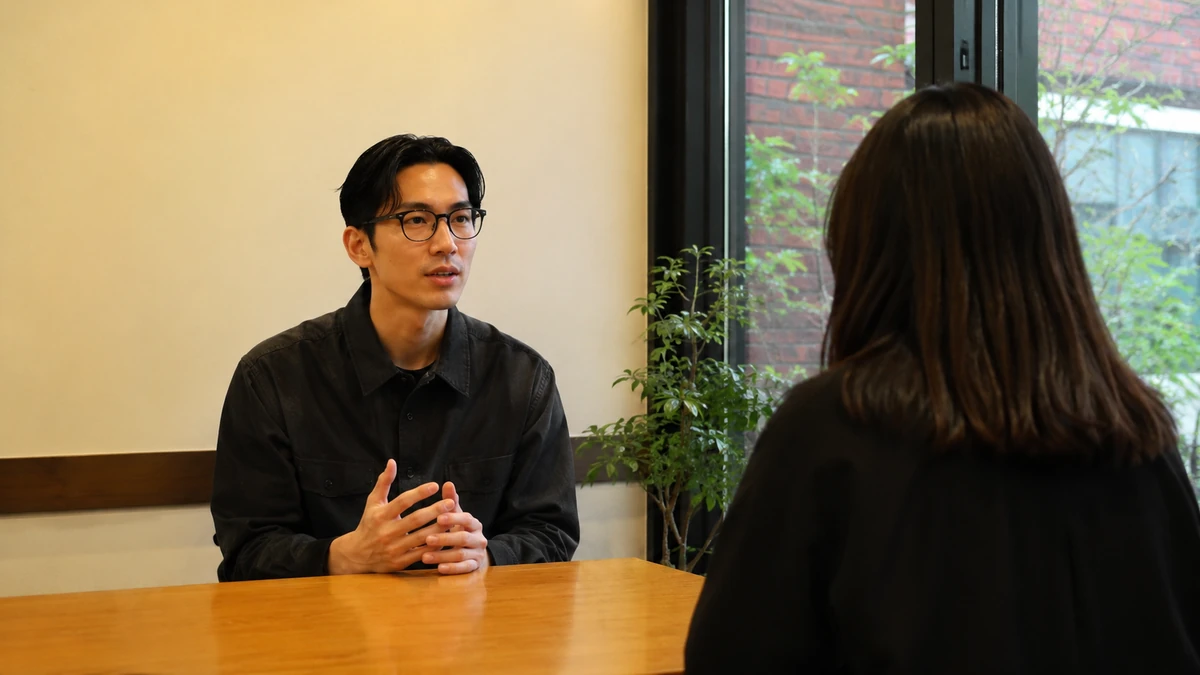
A Korean screen star known for intensity says comedy made him louder, looser and less shy
In Hollywood, actors often talk about disappearing into a role. In South Korea, where celebrity image can be almost as carefully managed as the performances themselves, it is less common to hear a major actor say a role changed how he behaves off camera. That is part of why recent comments from Korean actor Uhm Tae-goo have drawn attention in Seoul entertainment circles.
Uhm, an actor long associated with a quiet, restrained and almost severe screen presence, said in a recent interview that working on the upcoming comedy film Wild Thing left him talking more on set, joking around more and feeling less like the introvert the public has long imagined him to be. The remarks came during an interview in Seoul ahead of the movie’s release and landed as more than standard promotional chatter. They offered a window into how a role, and especially a genre, can reshape an actor’s habits in real time.
For American audiences who may not know Uhm by name, he is part of a generation of Korean actors whose reputations have been built not on tabloid celebrity but on a distinctive screen mood. He has often been linked with brooding, tightly controlled characters. That image matters in South Korea, where an actor’s public persona can influence casting, endorsements and the kinds of stories audiences expect that performer to tell. When someone with a strongly defined image chooses a project that pushes in the opposite direction, the move can feel significant beyond a single film.
That appears to be the case with Wild Thing, a comedy about members of a once-popular coed music group from the 2000s reuniting for a performance 20 years later. Uhm plays Sang-gu, the group’s rapper. On paper, that may sound like a familiar comeback setup, something akin to the reunion nostalgia Americans have seen in stories about aging boy bands, one-hit wonders or former MTV-era stars trying to reclaim a moment that slipped away. But in the Korean context, where pop performance is intensely choreographed and the line between actor and musical performer is often more porous than in the United States, the role required far more than just acting a little embarrassed onstage.
According to Uhm, it required months of rap practice, dance preparation and a willingness to show a comic, even deliberately cute, side of himself that he had not previously displayed. That may sound light, but it points to something deeper about Korean entertainment: versatility is prized, image is powerful and comedy can be one of the hardest genres for a serious actor to master.
Why this role stands out in South Korea’s star system
American readers are used to actors reinventing themselves. Matthew McConaughey had the “McConaissance.” Robert Pattinson moved from teen franchise fame to art-house credibility. Bryan Cranston broke from sitcom dad to antihero. But the Korean star system works somewhat differently. While reinvention certainly happens, actors are often discussed through a more fixed set of recognizable traits, especially in media coverage. A performer can become strongly identified with a certain emotional temperature: cool, tragic, romantic, volatile, elegant or reserved.
Uhm has long carried the reputation of being one of Korean entertainment’s emblematic introverts. That does not simply mean he is shy. In South Korean popular culture, “introvert” has become a recognizable public identity, often discussed in interviews and fan culture almost like a personality brand. Viewers may interpret an actor’s reserve as authenticity, seriousness or vulnerability. In turn, that image can harden into expectation.
So when Uhm says he no longer feels quite as introverted as before because of his experience on Wild Thing, the statement registers on two levels. First, it is a personal reflection on how much the production affected him. Second, it signals that he may be deliberately widening the range of what audiences think he can do.
That matters in an industry where typecasting can be both useful and limiting. A recognizable image helps actors stand out in a crowded market. At the same time, it can trap them. Uhm’s comments suggest he understood that tension and chose this project partly because it offered a way through it. He reportedly said the combination of comedy, his character and the demands of dancing and rapping all felt new enough to offer audiences something they had not seen from him before.
That kind of calculation is hardly unique to Korea, but the execution there often looks more physically rigorous than American viewers might expect. In Korean film and television, even projects outside the music industry can demand a polished command of movement, rhythm and performance style. A role involving a fictional pop group reunion is not just about delivering lines; it is about convincing audiences that this character once belonged on a stage and can still summon some version of that electricity.
A comeback story built on 2000s nostalgia, awkwardness and unfinished business
Wild Thing, scheduled for release in South Korea next month, centers on three former members of a once-successful coed group from the 2000s who reunite for a performance two decades later. The cast includes Kang Dong-won as Hyun-woo, Uhm as Sang-gu and Park Ji-hyun as Domi. Even from that basic setup, the movie taps into a rich emotional current that should feel familiar to audiences almost anywhere: the lure of a second act.
In the United States, reunion narratives tend to come wrapped in a mix of nostalgia and self-awareness. Think of stories about aging rock bands climbing back on tour buses, sitcom casts gathering for one last special or former athletes facing the gap between who they were and who they are now. The emotional engine is rarely just the comeback itself. It is the collision between remembered glory and present-day reality.
Korea has its own version of that emotional template, shaped by the country’s modern pop culture boom. The 2000s were formative years for Korean popular music, television and celebrity culture. They laid much of the groundwork for the global expansion of K-pop and Korean screen entertainment that would follow. A fictional group from that era carries built-in associations: bright stage costumes, highly defined member roles, fan loyalty, media saturation and the possibility that time has not been especially gentle to any of it.
That is one reason the film’s comic frame matters. A reunion story can easily slide into sentimentality, treating the past as sacred and the present as a pale echo. Comedy allows for something sharper. It makes room for creaky choreography, bruised egos, mismatched expectations and the absurdity of middle age colliding with youthful branding. It also allows a story to ask whether reliving a former identity is liberating, humiliating or both.
For Uhm’s character, the fact that he is the group’s rapper is especially telling. In idol groups and pop ensembles, the rapper is often one of the more distinct personalities, the member tasked with edge, attitude and a different kind of stage charisma. That role cannot be sold through dialogue alone. It lives in rhythm, gesture, timing and audience command. In other words, it asks a performer to project outward.
For an actor known for inwardness, that is not a minor adjustment. It is the whole point.
Months of rap training and the demands behind a few seconds onscreen
One of the more revealing details to emerge from Uhm’s interview is that he spent months practicing rap, reportedly making repeated visits to JYP, the entertainment company founded by K-pop mogul Park Jin-young. To many Americans, JYP may be familiar as one of the power centers of the Korean music business, home to idol groups whose training systems have become part of the global mystique of K-pop. Mentioning that kind of preparation immediately situates the production within the industrial reality of Korean entertainment: skill does not simply get implied; it gets drilled.
This is an important distinction for readers used to American music biopics or comedy-musicals that can rely on editing, body doubles, selective staging or the forgiving charm of imperfection. Korean pop performance culture tends to demand a higher baseline of plausibility. If an actor is playing someone who once performed in front of fans, the audience expects not just emotional truth but technical credibility. Breath control, rhythm, facial expression, body lines and stage confidence all matter.
That level of preparation helps explain why Uhm described the role as involving internal conflict. He reportedly joked that while filming stage scenes, he adopted a mindset along the lines of: if he was not going to look cute doing this, he might as well die trying. The line is comic, but its meaning is serious. He was not merely attempting rap; he was trying to inhabit a performance style that demanded flirtation, playfulness and direct crowd engagement.
For American readers, the word “cute” may sound trivial or even out of place in a discussion of craft. In Korean pop culture, it is not. Deliberately charming, exaggerated or endearing facial expressions and gestures are part of a broader performance vocabulary sometimes referred to as aegyo, a form of stylized sweetness that can show up in music, variety shows, fan events and comedy. It can feel disarming, awkward or highly strategic depending on the context. For a serious actor with a stern image, leaning into that kind of performance can feel like a radical act of self-exposure.
That helps clarify why this role appears to have mattered to Uhm beyond the film itself. The challenge was not just mastering new technique. It was tolerating the discomfort of behaving in ways that clashed with how audiences know him and perhaps how he knows himself. What viewers may experience as a brief wink, a comic beat or a light dance move can represent weeks or months of friction between professional discipline and personal resistance.
Comedy often works that way. The genre has a reputation for being breezy, but for actors, it can be ruthless. Timing has to be exact. Self-consciousness can kill a joke. Vanity is a liability. To be funny, performers often have to surrender dignity on command. That is especially difficult for actors whose power comes from reserve and intensity. They must not only do something new; they must do it without appearing half-committed.
What comedy can do to an actor’s off-camera self
Perhaps the most intriguing part of Uhm’s comments was not the rap training or the novelty of the role, but his sense that the movie changed his behavior in daily work. He said he found himself speaking more and playing around more on set, describing himself as somewhat more lively than before. That may sound modest, but it points to something many actors acknowledge privately and far fewer discuss publicly: roles do not always stay neatly contained within the boundaries of production.
American audiences sometimes imagine acting as a temporary switch that flips off when the director calls cut. In reality, performance habits can spill over. An actor working in comedy may become more responsive to rhythm and reaction in conversation. A performer spending months around dance rehearsal may carry different physical energy into ordinary life. Someone asked to project charisma night after night, even fictionally, may begin to inhabit some version of it between takes.
That appears to be what Uhm was describing. In comedy especially, interaction matters. Unlike certain dramatic modes that can be built out of silence, inward focus or controlled intensity, comedy depends on exchange. It requires sensitivity to pace, interruption, surprise and the chemistry of an ensemble. If Uhm became chattier and more playful on set, that is not just a pleasant side effect. It makes sense as part of the craft demands of the genre.
In that respect, Wild Thing may have required a shift not only in performance but in attitude. To play a former pop group member trying to reconnect with old rhythms and relationships, an actor may need to generate a sense of social ease even if it does not come naturally. On a practical level, that means more openness with castmates, more spontaneity and more willingness to look silly. On a personal level, it can feel like moving furniture inside your own personality.
There is also a broader cultural angle here. South Korean entertainment reporting often focuses heavily on outcomes: ratings, box office, casting, rankings, social media reaction. What made Uhm’s remarks notable was their emphasis on process. He was not selling a scandal, a transformation montage or a manufactured image reset. He was describing labor, discomfort and small behavioral change. In an industry often discussed through glamour or market success, that kind of candor offers a more grounded picture of how a performance gets built.
What this says about Korean entertainment now
Uhm’s experience also fits a larger trend in Korean entertainment, where the boundaries between acting, music, comedy and variety performance are increasingly fluid. This is not entirely new; South Korean stars have long been expected to navigate multiple formats. But as Korean content reaches larger global audiences, the pressure to be multidimensional appears to be growing.
For viewers outside Korea, the polished finish of K-content can sometimes create the illusion that stars simply arrive fully formed. In reality, the system behind them often prizes relentless adaptability. Actors learn choreography. Singers develop acting careers. Idols appear on unscripted programs that test comic reflexes and emotional transparency. Comedians move into drama. The result is an entertainment culture that often values technical breadth as much as niche specialization.
That does not mean every performer can do everything equally well. It does mean that crossing into an unfamiliar performance language is often treated as part of the job rather than an extraordinary detour. Uhm’s months of rap practice are a good example. In another industry, that preparation might be framed as overachievement. In Korea, it reads more like the standard required to make the illusion believable.
There is also a commercial logic to this. Korean entertainment is deeply image-aware, but it is not static. Audiences reward novelty, and stars who can surprise the public without seeming inauthentic are often better positioned for longevity. An actor with a strong dramatic identity who successfully pulls off comedy gains more than a single credit. He expands the field of future casting and resets the audience’s expectations.
That may be one of the most important subtexts of Wild Thing. Whether or not the film becomes a major hit, the role seems designed as a test of elasticity. Can a performer known for gravity deliver buoyancy? Can someone associated with silence command rhythm? Can a carefully accumulated image survive a deliberate encounter with silliness and emerge not weakened but deepened?
Those are questions Korean entertainment increasingly asks of its stars, and they are part of what makes the industry compelling to watch from abroad. The global fascination with Korean content is not just about high concepts or export success. It is also about process: the training, recalibration and risk that go into making a performance feel effortless.
Why American audiences should pay attention to a story like this
At first glance, a Korean actor saying a comedy made him less introverted may seem like niche industry news. But it speaks to themes that travel well: reinvention, performance anxiety, middle-aged comeback stories and the cost of changing how other people see you. Those are not uniquely Korean concerns. They are the building blocks of many American entertainment narratives too.
What makes this story distinctive is the Korean framework around those themes. The comeback at the center of Wild Thing is not just nostalgic. It is filtered through a pop culture system that values precision, image discipline and emotional readability. The actor at its center is not just trying out a lighter role. He is testing what happens when someone known for inward control submits to the external demands of music performance and comedy.
For American readers who have come to Korean entertainment through prestige television, Oscar-winning film or the global rise of K-pop, Uhm’s comments provide a useful reminder that the Korean Wave is not powered only by polished final products. It is also powered by unusually intensive preparation and by performers willing to push against the categories that made them famous in the first place.
That is likely why this interview resonated in Korea. It captured a star not simply promoting a film, but describing the physical and emotional mechanics of artistic expansion. He did not frame the experience as a grand personal awakening. He described it in practical terms: more talking, more joking, more energy, more willingness to do what the scene required. Sometimes that is what change looks like in an industry built on repetition. Not a dramatic rebirth, but a different way of standing in a room.
If Wild Thing succeeds, it may do so not just because of reunion nostalgia or comic timing, but because audiences can sense the tension behind the performance. The rapper Sang-gu is, in one sense, a fictional role in a comeback comedy. In another, he is the vehicle for an actor challenging the limits of his own public identity. For a culture increasingly interested in multi-hyphenate talent and reinvention, that is a story worth watching on both sides of the Pacific.
Comments
Post a Comment