
South Korea’s New Minimum Wage Sets a New Benchmark for the Economy
South Korea has set its 2026 minimum wage at 10,700 won per hour, marking a 380 won increase from the current rate of 10,320 won. The decision, announced after deliberations by the country’s Minimum Wage Commission, represents a 3.7 percent increase and will become a key economic benchmark affecting workers, businesses and consumers across the country.
For American readers, South Korea’s minimum wage system may look similar to debates over the federal minimum wage in the United States, but the Korean system operates in a different social and economic context. Rather than having a single nationwide law passed by Congress, South Korea relies on a specialized commission that brings together representatives from labor, employers and public interest groups to negotiate an annual wage standard.
The minimum wage in South Korea is not only a pay floor for low-income workers. Because it is connected to other economic rules and benefits, changes to the hourly rate can influence labor costs, household income, business strategies and even some government programs. As a result, the annual minimum wage announcement is closely watched as an indicator of the country’s broader economic direction.
A Negotiated Decision Between Labor, Business and Public Representatives
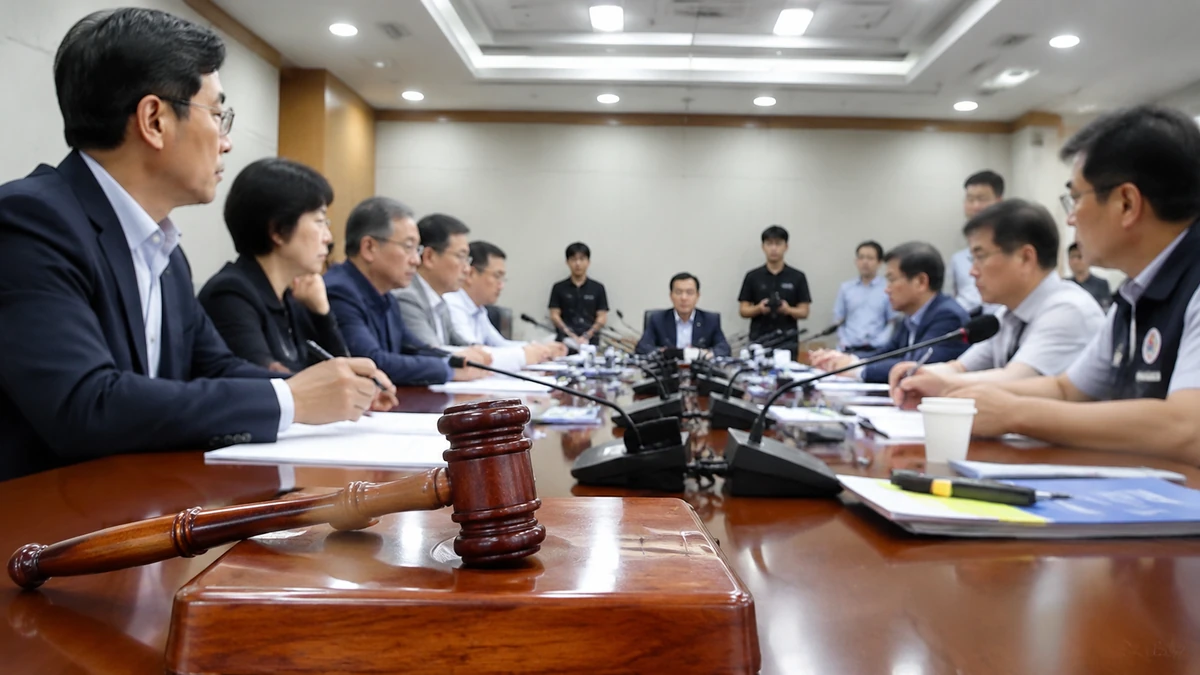
The 2026 decision was reached during the 14th full meeting of the Minimum Wage Commission held at the government complex in Sejong City, South Korea’s administrative center. The commission includes three major groups: labor representatives, employer representatives and public members who serve as mediators.
The final vote followed a series of negotiations in which labor and business groups presented different proposals. In the final round, labor representatives proposed a minimum wage of 10,730 won per hour, while employer representatives proposed 10,700 won. The employer proposal ultimately passed after a vote involving 27 commission members.
This process reflects one of the defining features of South Korea’s labor policy: the search for compromise among competing economic interests. Workers typically argue that higher wages are necessary to protect purchasing power and improve living standards, especially during periods of inflation. Businesses, particularly smaller companies, often warn that rapid wage increases can raise operating costs and make hiring more difficult.
The annual debate can become highly contentious because South Korea’s economy combines advanced industries with a large number of small businesses and self-employed workers. The same wage increase that provides additional income for employees can create financial pressure for restaurants, retailers, family-owned businesses and small manufacturers with limited profit margins.
Why 10,700 Won Matters for Korean Workers and Consumers
A wage increase of 380 won per hour may appear modest when viewed as an individual change. However, the cumulative impact can be significant for full-time workers. For employees working standard schedules, even a small hourly increase can translate into additional monthly income and potentially greater household spending power.
In South Korea, minimum wage discussions are closely connected to concerns about the cost of living. Housing expenses, education costs, food prices and transportation expenses are major household concerns, particularly in large cities such as Seoul, where living costs are among the highest in the country.
Supporters of higher minimum wages argue that increasing worker income can strengthen domestic consumption. When lower-income workers receive additional earnings, they are more likely to spend that money on everyday goods and services, potentially supporting local economies.
However, economists also point out that wage increases can create higher costs for employers. Companies may respond by improving productivity, raising prices, reducing working hours or adjusting hiring plans. The actual economic effect depends on how businesses and consumers adapt after the new standard takes effect.
Small Businesses Face New Pressure From Rising Labor Costs
The reaction from South Korea’s small business community highlights the challenges created by minimum wage increases. Organizations representing small and medium-sized enterprises and self-employed workers said additional support measures may be needed to reduce financial pressure.
South Korea has a large self-employed sector compared with many developed economies. Small restaurants, convenience stores, cafes, delivery businesses and family-run shops play an important role in local communities. For these businesses, labor costs often represent a larger share of total expenses than they do for major corporations.
Business groups have warned that continued increases in labor expenses could make it harder for some small companies to maintain employment levels. They have called for policies that help vulnerable businesses adjust, including support programs and measures aimed at reducing operating burdens.
The debate reflects a broader challenge facing many countries: how to raise incomes for workers while protecting employment opportunities. Similar discussions have taken place in the United States, Europe and other advanced economies, where policymakers face pressure from both workers seeking higher pay and businesses concerned about rising costs.
South Korea’s Minimum Wage Has Effects Beyond Hourly Pay
One reason the minimum wage receives such attention in South Korea is that it influences more than direct wages. The minimum wage is used as a reference point in various laws and systems, including calculations related to certain labor benefits, compensation standards and other economic programs.
According to reports on the decision, dozens of legal and administrative systems in South Korea use the minimum wage as a reference. This means that a change in the hourly rate can affect calculations beyond the workers who directly earn minimum wage.
This interconnected structure explains why the annual announcement becomes a major national economic event. A single number announced by the Minimum Wage Commission can influence business planning, government policy discussions and household financial expectations.
For international observers, South Korea provides an example of how wage policy can function as part of a broader economic framework. The minimum wage is not simply a labor regulation; it is also a tool that interacts with consumption, business competitiveness and social welfare systems.
The Broader Economic Debate Behind the Wage Increase
The decision comes as South Korea continues to balance economic growth, inflation concerns and demographic challenges. The country is one of the world’s largest exporters, home to globally recognized companies in electronics, automobiles, shipbuilding and technology. At the same time, it faces pressure from an aging population, slower growth and challenges for younger workers entering the job market.
Labor representatives view minimum wage increases as part of efforts to improve income stability and reduce economic inequality. They argue that workers should benefit from economic growth and that stronger household income can support domestic demand.
Employer groups emphasize competitiveness and sustainability. They argue that wage policies must consider the ability of businesses, especially smaller firms, to absorb higher costs without reducing jobs or investment.
The final 2026 figure represents a compromise reached through negotiation rather than a decision made solely by one side. The process illustrates the difficult choices governments and societies face when determining how the benefits and costs of economic growth should be distributed.
What the New Wage Means for South Korea’s Future
The introduction of a 10,700 won minimum wage in 2026 will begin a new period of adjustment for Korean workers and businesses. Companies will review labor budgets, pricing strategies and hiring plans, while employees will evaluate how the increase affects their income and daily expenses.
For small businesses, adaptation may become the central issue. Some may seek greater efficiency through technology, automation or changes in operations. Others may look for government assistance programs designed to help smaller employers manage rising costs.
For workers, the increase provides a higher baseline income but also raises questions about whether wage growth will keep pace with broader living expenses. The effectiveness of the policy will depend not only on the wage number itself but also on economic conditions, inflation trends and employment opportunities.
Why Global Observers Are Watching South Korea’s Wage Policy
South Korea’s minimum wage decision offers international audiences a window into the challenges facing a modern Asian economy. The country is deeply integrated into global trade, with companies competing internationally while millions of workers depend on domestic wages and services.
Changes in labor costs can influence industries ranging from restaurants and retail to manufacturing and technology services. For multinational companies operating in South Korea, wage trends are one factor in decisions about investment, production and workforce planning.
The 2026 minimum wage decision is therefore more than a domestic labor announcement. It reflects South Korea’s ongoing effort to balance economic competitiveness with living standards for ordinary citizens.
As countries around the world continue debating wages, inflation and inequality, South Korea’s approach provides a valuable case study. The final figure of 10,700 won per hour represents not only a change in pay but also a broader conversation about how a society distributes the benefits of economic growth.


0 Comments