Three Years After South Korea’s Osong Tunnel Disaster, Officials and Families Unite to Remember Victims and Demand Safer Cities
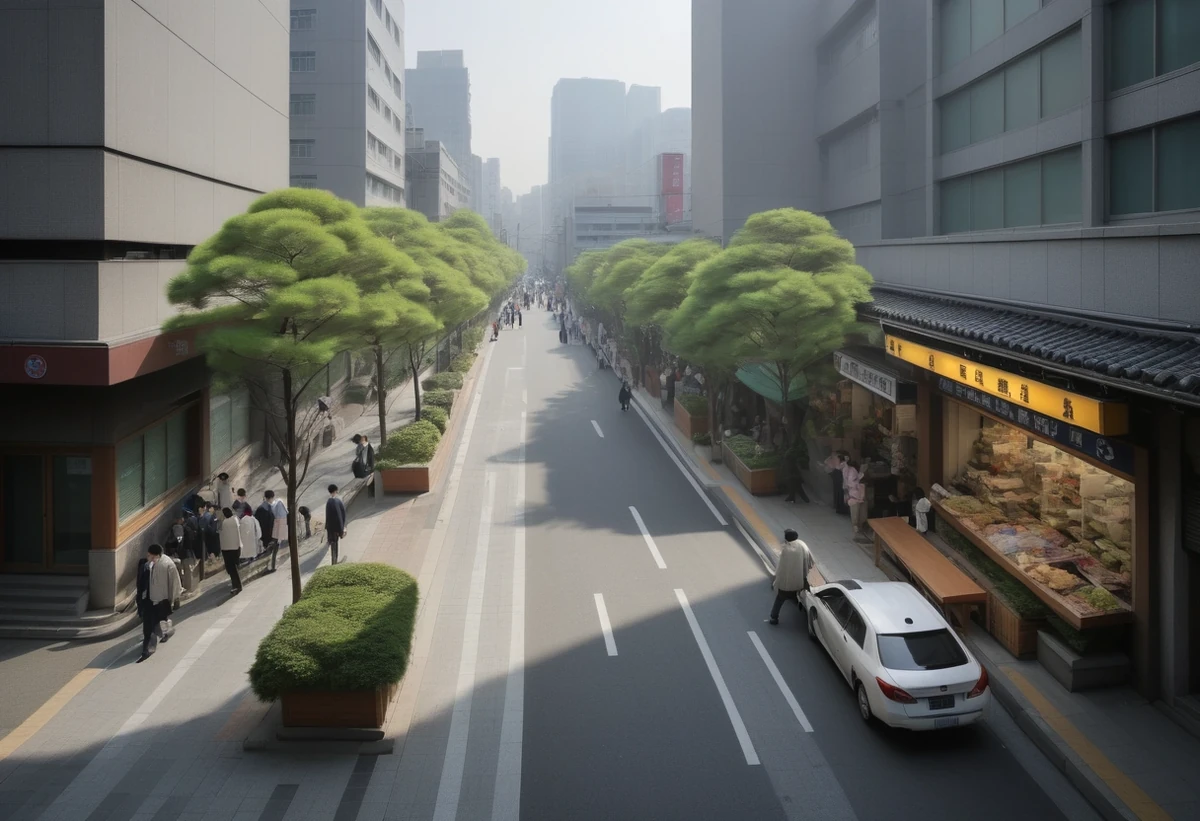
South Korea Marks Three Years Since the Osong Underpass Disaster
South Korea held a memorial ceremony on July 15 to mark the third anniversary of the deadly Osong underground roadway disaster, bringing together victims’ families, survivors, government officials and civic representatives in a renewed call for safer public infrastructure.
The ceremony was held at the Chungcheongbuk-do Provincial Government Office in Cheongju, a city in central South Korea. About 200 people attended the event, which carried the theme “Three Years After the Osong Disaster, Beyond Remembrance and Mourning Toward a Safer Tomorrow.”
For many Americans, the name Osong may not be familiar. But the disaster has become one of South Korea’s most significant recent reminders of the risks created when extreme weather, urban infrastructure and emergency response systems fail at the same time. The tragedy raised national questions about how governments prepare for disasters and who bears responsibility when safety systems do not work.
The anniversary ceremony was more than a remembrance event. It represented an effort to transform public grief into a broader discussion about government accountability, infrastructure planning and disaster prevention.
A Disaster That Changed South Korea’s Conversation About Safety
The Osong underpass disaster occurred in the Osong area of Cheongju, where a sudden flooding event turned a normally routine transportation route into the site of a major emergency. A total of 30 people were killed or injured in the disaster, making it a painful chapter in South Korea’s continuing debate over public safety.
Underground roadways, known in South Korea as underpasses or tunnel roads, are common features of modern cities. They allow traffic to move efficiently beneath busy intersections, rail lines or highways. However, these structures can become extremely dangerous during floods because water can enter quickly and limit escape routes.
The disaster highlighted challenges faced by many rapidly developing cities around the world. As urban areas expand and climate-related weather events become more frequent, governments must reconsider how older infrastructure performs under new environmental pressures.
In South Korea, the Osong tragedy became part of a larger national conversation following several major disasters in recent years. Public debates have repeatedly focused on whether authorities acted quickly enough, whether warning systems functioned properly and whether government agencies were adequately prepared.
From Citizens’ Memorial to Public Responsibility
One of the most notable aspects of this year’s ceremony was the involvement of both central and local governments as official co-organizers. Previous memorial activities were primarily led by victims’ families, survivors and civic groups. This year, the event included the participation of the Ministry of the Interior and Safety, Chungcheongbuk-do Province, Cheongju City, survivor organizations and community groups.
The change carries symbolic importance in South Korea, where families of disaster victims often play a central role in preserving public memory. In many cases, survivors and relatives continue organizing memorial events long after national attention has moved elsewhere.
By joining the ceremony, government institutions acknowledged that remembering disasters is not only a private matter for affected families but also a public responsibility. The participation of government bodies suggests that disaster memory has moved from civil society spaces into official government institutions.
However, experts and observers often note that symbolic recognition is only one part of the process. Public trust depends on whether governments follow remembrance with practical improvements in safety systems, emergency management and infrastructure oversight.
Victims’ Families and Survivors Remain at the Center of Memory
The presence of victims’ families and survivors remained one of the most important elements of the memorial. For those directly affected, remembrance is not simply about looking back at a tragic event. It is also about ensuring that the loss of loved ones leads to meaningful lessons for future generations.
In South Korea, memorial ceremonies following major disasters often serve multiple purposes. They provide a place for mourning, but they also create a public forum where survivors can continue asking questions about responsibility and prevention.
The experiences of survivors and families often shape national discussions about safety. Their continued involvement keeps attention focused on the human impact behind statistics and official reports.
The third anniversary of the Osong disaster carries a particular meaning because it marks a point when public attention can naturally fade. Annual memorial events help prevent that fading by reminding society that disasters are not only moments in history but also ongoing questions about how communities protect people.
Why the Ceremony Matters Beyond South Korea
The issues raised by the Osong disaster extend far beyond South Korea. Cities around the world face similar challenges involving aging infrastructure, extreme weather and emergency preparedness.
In the United States, recent hurricanes, wildfires and flooding events have also prompted debates about whether infrastructure and emergency systems are prepared for changing climate conditions. The questions raised after Osong are familiar: Are warning systems effective? Are authorities communicating quickly enough? Are public facilities designed for increasingly unpredictable conditions?
South Korea’s experience offers an example of how societies respond after tragedy. A disaster memorial can become more than an act of mourning. It can become a place where communities discuss prevention, resilience and institutional responsibility.
The phrase “beyond remembrance and mourning toward a safer tomorrow” reflects this broader approach. The message is that honoring victims requires more than ceremonies. It requires continued efforts to reduce the possibility of similar disasters happening again.
Government Officials Join Regional and National Leaders in Remembrance
The ceremony was attended by senior government and political figures, including the minister of the Ministry of the Interior and Safety, the governor of Chungcheongbuk-do Province, leaders of the provincial council, the mayor of Cheongju and members of the National Assembly.
The participation of officials from different levels of government reflects the complex nature of disaster management in South Korea. Local governments are often responsible for immediate response and community services, while central government agencies oversee national safety policies, regulations and resources.
The Osong disaster demonstrated that effective disaster prevention requires cooperation among multiple institutions. A failure at one level can affect the entire emergency response chain.
Holding the memorial inside the Chungcheongbuk-do Provincial Government Office also carried symbolic weight. Rather than being held only at a private memorial location, the event took place inside the region’s administrative center, placing the memory of the disaster directly within the public sphere.
South Korea’s Changing Culture of Disaster Remembrance
South Korea has developed a distinct culture of remembering large-scale tragedies. After major disasters, families and civic groups often work for years to preserve memories, seek answers and advocate for stronger safety standards.
This pattern reflects a broader social belief that disasters should not be treated as unavoidable accidents. Instead, they are often viewed as events that reveal weaknesses in systems, regulations or decision-making processes.
The Osong memorial follows this tradition. It connects personal grief with a wider national discussion about public safety. The ceremony shows how remembrance can become part of democratic accountability, where citizens expect institutions to learn from failures.
At the same time, the memorial itself does not represent the conclusion of that process. The long-term evaluation of government response will depend on future actions, including how safety policies are implemented and whether infrastructure risks are effectively managed.
A Reminder for an Era of Climate and Urban Challenges
The Osong tragedy has relevance for international audiences because it reflects challenges facing modern cities everywhere. As populations grow and extreme weather becomes more common, transportation networks, drainage systems and emergency procedures are under increasing pressure.
For global readers, the lesson from Osong is not limited to one Korean city or one specific disaster. It is about how societies respond when ordinary places become dangerous during extraordinary circumstances.
The third anniversary memorial brought together people who experienced loss, those responsible for public administration and citizens who want safer communities. Their gathering represented an ongoing effort to transform a painful memory into a commitment to prevention.
Three years after the Osong underpass disaster, South Korea continues to wrestle with the same questions that follow many tragedies worldwide: What should society remember? Who is responsible for protecting the public? And how can cities become safer before the next emergency arrives?
The answers will depend not only on ceremonies, but on whether remembrance leads to lasting changes in how governments design, manage and protect the places where people live their daily lives.
Comments
Post a Comment