
Political Landscape and Policy Implications
South Korea Economic Policy at a Crossroads: Central Bank Maintains 2.50% Rate While Raising Growth Forecast represents a significant development in South Korea's evolving political landscape. This development occurs within the context of Korea's dynamic democratic institutions and the ongoing challenges of governance in a rapidly changing global environment.
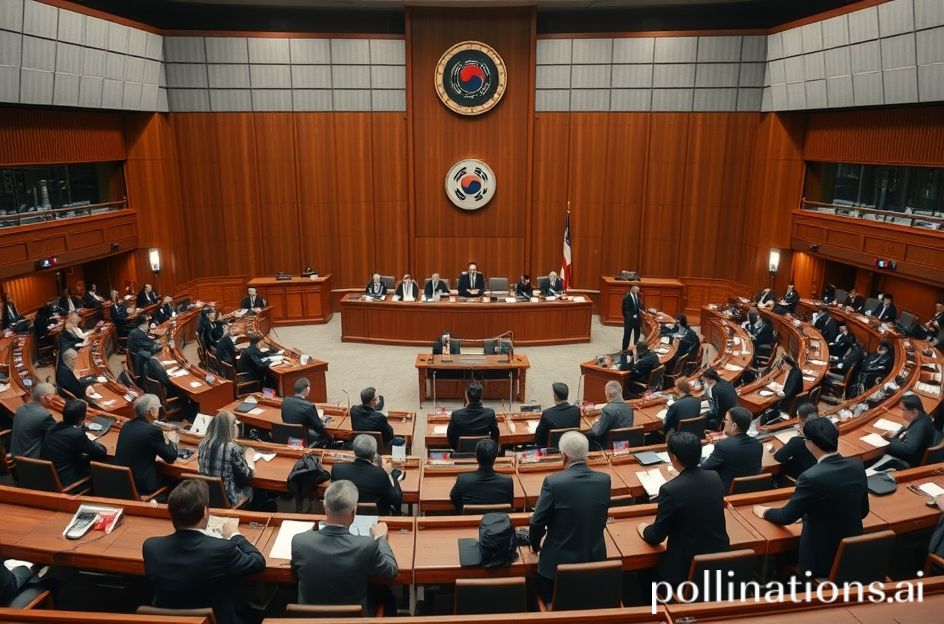
For American readers familiar with the complexities of US political processes, Korean politics offers interesting parallels and contrasts in how democratic institutions adapt to contemporary challenges. The Korean political system, established during the country's democratization in the late 20th century, continues evolving to meet the needs of an advanced economy and sophisticated society.
Policy Context and Background
Understanding this development requires appreciation for Korea's unique institutional framework and the historical context that shapes current political dynamics. The country's experience with rapid economic development alongside democratic consolidation creates distinctive approaches to policy-making and governance.
Korean political institutions must balance competing demands including economic competitiveness, social equity, demographic challenges, and international responsibilities. These complex requirements often necessitate innovative policy solutions that can inform discussions in other advanced democracies.
Broader Implications and Analysis
The implications of this political development extend beyond Korea's borders, influencing regional stability in East Asia and contributing to broader international discussions about democratic governance, economic policy, and social development in the 21st century.
Korea's approaches to contemporary governance challenges often provide valuable case studies for other countries navigating similar issues including technological disruption, demographic transition, and geopolitical complexity in an interconnected world.
International observers closely monitor Korean political developments due to the country's significant regional influence and role as a key ally in US strategic planning for the Asia-Pacific region. The success of Korean democratic institutions serves as an important model for other countries seeking to combine economic development with political freedom.
Original Korean Article: 한국어 원문 보기



0 Comments