As Weight-Loss Shots Surge in South Korea, Doctors Shift the Focus From Fast Results to Hidden Risks
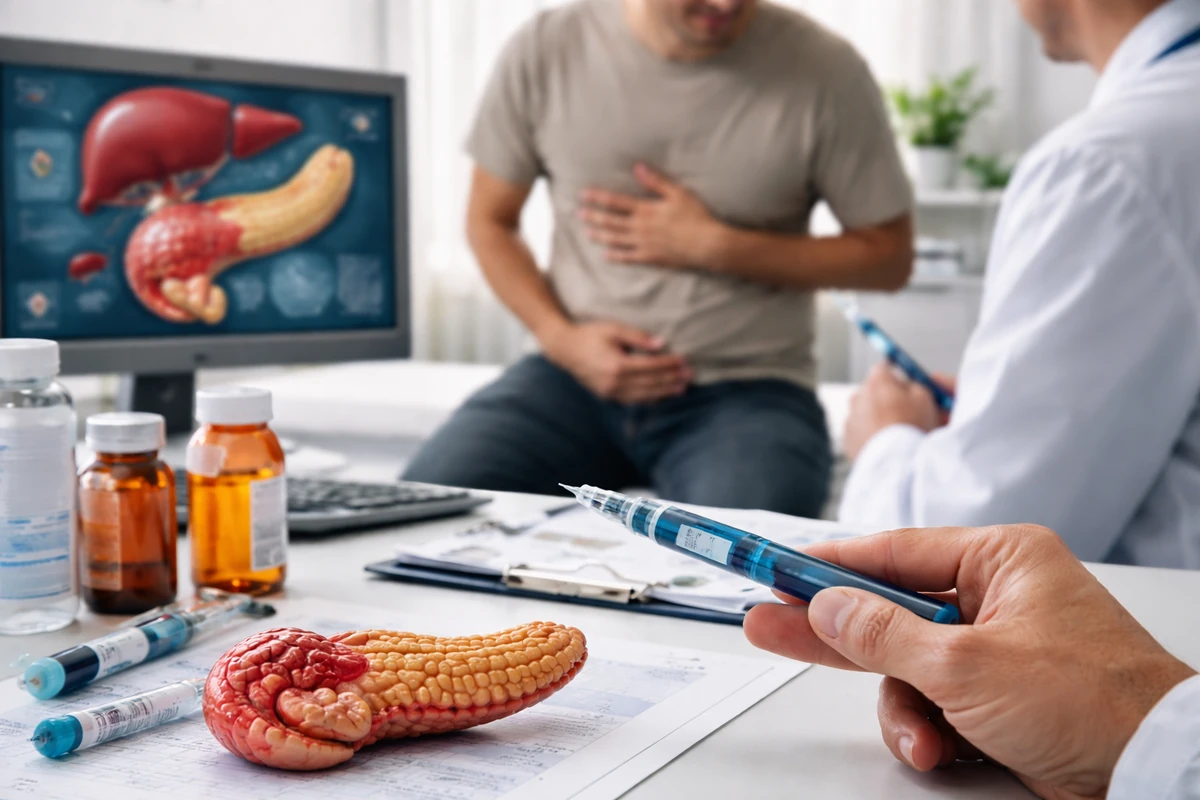
A booming weight-loss trend meets a sobering medical warning
SEOUL, South Korea — April 21, 2026: In South Korea, where demand for prescription weight-loss injections has risen quickly in clinics and hospitals, doctors are warning that the conversation can no longer center only on how many pounds patients lose, how quickly they lose them, or which brand has become the latest sensation. Increasingly, physicians say the more urgent question is whether patients and providers are prepared to recognize dangerous side effects early — especially severe abdominal pain that could signal acute pancreatitis.
The warning comes as drugs in the GLP-1 family, including the obesity medications Wegovy and Mounjaro, gain traction in South Korea much as they have in the United States. The medications have become global shorthand for a new era of obesity treatment, drawing attention not only from doctors and patients but from celebrities, social media influencers and investors. In South Korea, as in the U.S., much of the early public discussion focused on effectiveness, access, supply shortages and highly visible personal success stories. Now, Korean clinicians say the spotlight is moving toward something less glamorous but far more important: how to manage the risks that can accompany rapid weight loss.
That shift reflects a broader maturation of the public debate. South Korea has a highly connected consumer culture, a strong beauty and wellness industry, and intense social awareness around body image — factors that can amplify excitement over any treatment promising dramatic slimming. But doctors stress that obesity medicine is not a cosmetic quick fix. It is medical treatment, and with any medical treatment, the benefits and risks must be weighed together. Their message is not that GLP-1 drugs are inherently unsafe. It is that patients cannot assume a trendy medication is automatically simple to use.
What Korean physicians are emphasizing is nuance, something often lost in viral conversations about weight-loss drugs. Current evidence does not establish that the entire class of GLP-1 medications clearly and uniformly raises the risk of pancreatitis for every patient. Yet in actual clinical practice, doctors say they are paying close attention to the physiological upheaval that can happen when appetite drops sharply, food intake falls and body weight decreases quickly over a short period. In that setting, gallstones and pancreatitis have become key management concerns.
For American readers, this may sound familiar. The U.S. has gone through a similar cycle with GLP-1 drugs: first fascination, then demand, then shortages, then a more complicated conversation about nausea, vomiting, digestive problems, muscle loss, affordability and what happens when patients stop taking the medication. South Korea is now confronting another layer of that debate — not whether the medicines can work, but what safe use actually requires.
What doctors are actually saying about pancreatitis
Korean doctors are drawing a distinction that matters. They are not saying that anyone who takes a GLP-1 medication should expect pancreatitis. Nor are they declaring that the drugs as a class have been definitively proven to cause acute pancreatitis in all settings. Instead, they are warning against a much more common public misunderstanding: the tendency to reduce every health question to a simple yes-or-no verdict about whether a drug is “dangerous.” In medicine, risk is often more conditional than that.
The concern, clinicians say, lies in the interaction between the medication, the pace of weight loss and the body’s response to abruptly reduced eating. These drugs work in part by lowering appetite and slowing digestion, helping patients eat less and feel full sooner. But when food intake drops dramatically and weight falls very quickly, that can alter the conditions inside the body in ways that may increase the chance of gallbladder problems, including gallstones. Those problems, in turn, can contribute to pancreatitis in some cases.
That is why severe abdominal pain matters. Korean medical professionals say that when a patient using a GLP-1 medication reports intense stomach pain, acute pancreatitis should be considered early rather than dismissed as routine digestive discomfort. This is particularly important because many patients expect some gastrointestinal side effects from these medications and may assume pain, nausea or appetite loss is simply part of the process. Doctors say that assumption can delay evaluation at exactly the wrong time.
Acute pancreatitis is an inflammation of the pancreas, an organ that plays a central role in digestion and blood sugar regulation. Symptoms can include severe upper abdominal pain, nausea, vomiting and, at times, pain that radiates to the back. Some cases are mild and improve with prompt supportive care, including fasting and IV fluids. But untreated cases can become dangerous, leading to tissue damage, infection, organ failure or long-term metabolic problems. That is why physicians emphasize speed: the issue is not panic, but prompt assessment.
One gastroenterologist at Kangbuk Samsung Hospital, quoted in South Korean coverage, underscored that most patients can recover if the condition is identified early and treated appropriately. But if it is neglected, the inflammation can progress to necrotizing pancreatitis or even multiple organ failure. That kind of medical warning serves as a reminder that in obesity treatment — a field often marketed with before-and-after photos and upbeat promises — some complications are not merely uncomfortable. They can be serious.
Why rapid weight loss itself can become the problem
The most important takeaway from the Korean reporting may be this: The central risk is not necessarily the shot itself in isolation, but the rapid changes the body undergoes when weight drops too fast. That distinction is crucial for understanding why clinicians keep returning to the pace of weight loss, regular follow-up and eating patterns. In the public imagination, a faster result is usually treated as a better result. In medicine, that is not always true.
South Korean doctors say one of the most common misconceptions surrounding weight-loss medications is the belief that eating as little as possible will maximize success. To many patients, especially those steeped in diet culture, that sounds intuitive. If the drug suppresses appetite, why not lean into that effect and cut intake even more aggressively? But clinicians warn that reducing food too sharply can destabilize the body in ways that make complications more likely, even as the number on the scale falls.
This is an especially significant point in South Korea, where appearance-related pressure can be intense and dieting trends can spread quickly online. Although body-image pressure is hardly unique to Korea, the country’s media ecosystem and beauty market can accelerate consumer behavior around slimming products and procedures. The result is a climate in which rapid transformation can be celebrated before questions about sustainability or safety catch up. Weight-loss injections entered that environment with enormous cultural momentum.
Doctors are pushing back against the idea that extreme restraint equals discipline or that minimal eating equals ideal treatment adherence. According to the Korean medical guidance described in local coverage, the safer approach may include lowering the medication dose if weight is coming off too quickly and maintaining regular meals that include an appropriate amount of fat, rather than skipping food entirely. That advice may seem counterintuitive to a public trained by decades of diet culture to fear dietary fat and praise near-starvation. But the goal is not just fewer calories. It is safer physiology.
In practical terms, physicians are saying that obesity treatment requires more than a prescription. It requires monitoring, education and a willingness to intervene when “success” is happening too fast. Americans have seen versions of this issue before in other corners of health care: when a therapy becomes popular, people often mistake access for guidance. But getting the drug is only the beginning. Safe treatment depends on what happens after the first injection.
South Korea’s cultural context helps explain the urgency
To American readers, it may help to understand why this story resonates so strongly in South Korea. The country has one of the world’s most digitally connected populations, and health trends can spread with remarkable speed through online communities, lifestyle media and influencer culture. Beauty standards also occupy an unusually visible place in mainstream consumer life, from skin care and cosmetic procedures to fashion and diet products. That does not mean every Korean is chasing thinness, but it does mean body-related messaging is often culturally prominent.
At the same time, South Korea’s doctors are dealing with a real and serious medical issue, not simply a beauty craze. Obesity, like in the U.S., is tied to chronic disease risk, including diabetes and cardiovascular problems. For many patients, these medications may offer meaningful health benefits, not just cosmetic ones. That is why Korean clinicians are not framing the issue as “good drug” versus “bad drug.” Their challenge is building a system that can support a treatment whose popularity may outpace the infrastructure for careful follow-up.
This may be one of the most important differences between how the public sees obesity treatment and how doctors see it. To many consumers, especially in the early phase of a trend, a weight-loss shot can look like a product: something advertised, compared, reviewed and discussed in terms of convenience and visible outcome. To clinicians, it is part of chronic disease management. That means dose adjustments, symptom education, meal guidance and decisions about when a patient needs immediate evaluation.
In South Korea, local reporting suggests that doctors increasingly see the real task not as expanding prescriptions but as strengthening the tracking system around them. In other words, the challenge is not merely making the drugs available. It is making sure patients know what symptoms matter, how quickly weight should come off, when food intake has become too low and when abdominal pain is no longer something to “push through.”
That is a useful lens for U.S. audiences as well. America’s own experience with GLP-1 drugs has often unfolded through a consumer-market framework — insurance battles, celebrity chatter, telehealth prescribing and social media testimonials. The Korean warning is a reminder that once a medicine becomes part of popular culture, doctors may have to work harder to restore the clinical context that should have framed it all along.
The danger of mistaking warning signs for normal side effects
One reason acute pancreatitis is receiving heightened attention in South Korea is that the symptoms can be overlooked in the very population now using these medications. Nausea, reduced appetite, stomach upset and occasional vomiting are already widely associated with GLP-1 treatment. When patients expect to feel some degree of digestive discomfort, they may discount severe symptoms until they become impossible to ignore. In a treatment setting built around planned, outpatient weight management, there can be a dangerous tendency to interpret distress as temporary inconvenience rather than a red flag.
Doctors say that severe abdominal pain deserves particular attention. Not every stomachache is an emergency, of course, and many patients will experience manageable digestive side effects that improve over time or with dose adjustment. But the Korean medical warning reflects a concern that the public can become too casual about pain because discomfort has been normalized as part of the process. When patients or even non-specialist providers assume “that’s just what the shot does,” the window for timely intervention may narrow.
That issue is hardly limited to South Korea. In the U.S., too, patients using popular medications often sort symptoms through online forums before they call a doctor. They compare experiences on TikTok, Reddit or group chats, where side effects can be trivialized or generalized from anecdote. That kind of information-sharing can be useful, but it can also obscure the difference between expected side effects and symptoms that require medical attention. Severe persistent abdominal pain falls squarely into the latter category.
Another challenge is psychological. Many patients begin obesity treatment hopeful, motivated and invested in the outcome. They may feel they are finally making progress after years of failed diets, social stigma or weight cycling. That emotional investment can make it harder to acknowledge that something may be wrong. No one wants to interrupt a treatment that seems to be working, especially if the visible results are arriving quickly. But physicians say that mindset can be risky if it leads patients to minimize serious symptoms.
The Korean reporting underscores an important clinical reality: the earlier acute pancreatitis is recognized, the better the chances of recovery without severe complications. That does not mean every person taking a GLP-1 drug should be fearful. It means patients need a clearer framework for interpreting symptoms. A health care system that promotes these medications without equally emphasizing symptom literacy is, in effect, handing out only half the treatment plan.
What safer use looks like in practice
If there is a common thread running through the Korean medical response, it is that obesity drugs should be managed, not merely prescribed. In practical terms, that means pre-treatment counseling, careful dose escalation, monitoring the pace of weight loss, discussing how and what to eat and making sure patients understand which symptoms require urgent attention. The shift is notable because it moves the conversation away from hype and toward routine clinical discipline.
Korean physicians quoted in local coverage argue that if a patient is losing weight too quickly, lowering the dose may be appropriate. They also emphasize the importance of regular meals that include a modest amount of fat, rather than extreme restriction. The reasoning is physiological, not indulgent: maintaining bile flow may help reduce the risk of gallstones, which can be tied to pancreatitis. This is a subtle but important message in an era when many people equate effective dieting with eating as little as possible.
For an American audience, there is an instructive parallel here with other areas of medicine where treatment success depends heavily on follow-through. Think of blood pressure medication that still requires monitoring, or insulin that still requires education, or antidepressants that still require check-ins. The drug alone is not the whole intervention. GLP-1 treatment belongs in that category. It is a powerful tool, but not one that works safely on autopilot.
What doctors appear to want is a cultural reset around these medications. Rather than celebrating extreme appetite suppression, they want patients to see regular nourishment as part of treatment. Rather than applauding the fastest possible drop on the scale, they want a sustainable pace. Rather than framing stomach symptoms as proof that the drug is “working,” they want patients to learn the difference between tolerable side effects and signs of a more serious complication.
This approach may sound less exciting than the breathless marketing that often surrounds weight-loss breakthroughs. But it is also a sign that the field is maturing. In health care, the real test of a popular treatment is not whether it generates buzz. It is whether doctors and patients can use it in a way that maximizes benefit while minimizing avoidable harm. South Korea’s warning suggests that, at least in this phase of the GLP-1 era, vigilance may be as important as efficacy.
A cautionary lesson for the global GLP-1 era
The South Korean discussion around GLP-1 drugs and acute pancreatitis is, in one sense, a local health story. It reflects the country’s own medical system, consumer culture and evolving experience with obesity treatment. But it also speaks to a global reality. These medications are no longer niche therapies. They are reshaping expectations about weight loss in wealthy countries around the world, including the United States. And wherever they become mainstream, the same temptation emerges: to focus on the dramatic visible effect while underestimating the complexity of safe use.
There is a broader media lesson here as well. Coverage of weight-loss drugs often gravitates toward simple narratives — miracle breakthrough, Hollywood craze, supply crunch, game-changing science, dangerous fad. Real life is harder to package. The truth is that these medications may help many people, may carry manageable side effects for many others, and may pose serious risks in specific situations that require medical judgment and careful patient education. That is not a neat headline, but it is the reality clinicians are trying to communicate.
In South Korea, the warning from doctors signals that the center of gravity in the conversation is shifting. The most important question is no longer how fast these injections can transform a body. It is how responsibly a health system can help patients navigate a treatment that changes eating behavior, metabolism and expectations all at once. That includes recognizing that severe abdominal pain is not something to explain away, especially during rapid weight loss.
For American readers, the Korean experience offers a familiar but valuable reminder. We have already seen how quickly a medication can move from specialist offices into mainstream culture, where enthusiasm can outrun caution. The next phase of the GLP-1 era may depend less on new demand than on better guardrails: clearer counseling, more realistic expectations and stronger follow-up when symptoms appear. As doctors in South Korea are now making clear, the true measure of progress is not how fast weight comes off. It is how safely patients get there.
That may ultimately be the most enduring takeaway from this moment. In both South Korea and the United States, obesity treatment is becoming more powerful, more visible and more normalized. But normalization should not mean complacency. If these medications are to fulfill their promise, the culture around them must grow up as quickly as the market did — replacing hype with informed care, and replacing the obsession with speed with a more durable principle: first, do no harm.
Comments
Post a Comment