Introduction: Rethinking Urban Care in South Korea
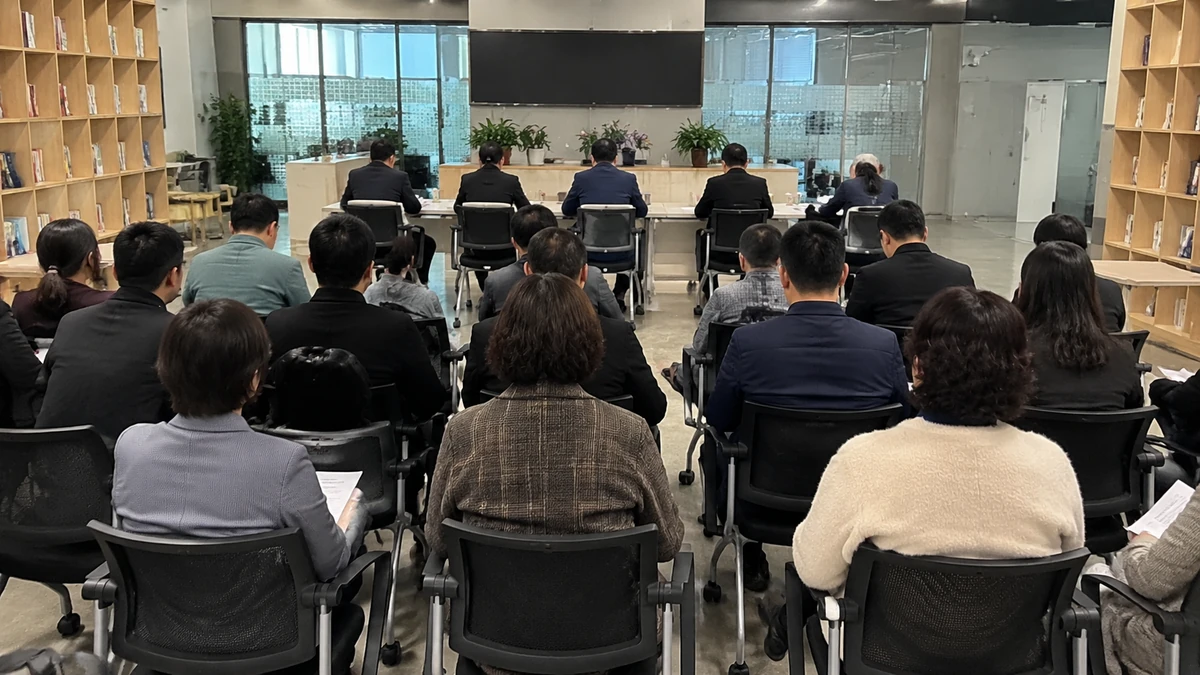
On May 11, the city of Gwangmyeong in South Korea unveiled a new community initiative called the 'Mind Care Garden' program. In a ceremony held at Cheolsan Commercial District's Open Civic Hall, the city signed an agreement with the Gwangmyeong Community Social Welfare Council and four social solidarity enterprises to implement this novel approach. Unlike conventional welfare programs that focus narrowly on medical treatment or eldercare, this project emphasizes emotional recovery, social engagement, and the creation of shared public spaces as integral elements of care.
For American readers, the concept is akin to integrating community therapy, urban green spaces, and volunteer-driven social support into a single framework—imagine neighborhood gardens designed not just for aesthetics but as hubs for mental wellness and intergenerational interaction.
Beyond Medical Care: Emotional and Social Recovery
At the core of Gwangmyeong's program is the recognition that health is multidimensional. Physical rehabilitation alone is insufficient for overall wellbeing, especially for seniors or individuals with limited social connections. The Mind Care Garden program explicitly combines horticulture with psychological support, offering structured gardening activities that serve as both a therapeutic tool and a social platform.
Participants will not only engage in planting and maintaining gardens but also form recurring relationships with peers and volunteers. These gardens become living spaces for both physical activity and emotional restoration—a Korean municipal experiment reflecting a broader trend in global urban planning where public spaces double as wellness centers.
Collaborative Model: Local Government and Social Enterprises
The agreement illustrates a sophisticated division of labor. The city government provides overall planning, access to underutilized urban spaces, and logistical support. The Community Social Welfare Council coordinates transportation, activity assistance, and wellbeing checks for participants. Meanwhile, social solidarity enterprises design and manage the participatory garden programs.
This tripartite structure ensures that the initiative is not merely a top-down bureaucratic endeavor but a community-driven, sustainable model. Each actor brings specialized expertise, echoing approaches in U.S. community health programs that pair municipal oversight with non-profit and private sector participation.
Transforming Everyday Spaces into Care Environments
Perhaps the most striking aspect is the program's use of everyday urban spaces—vacant lots and small neighborhood parks—instead of constructing dedicated facilities. In American terms, it's akin to converting underused urban plots into therapeutic community gardens or wellness hubs. These spaces lower barriers to participation compared with clinics or institutional facilities and foster a sense of ownership and engagement among residents.
The act of co-creating gardens positions participants not just as care recipients but as collaborators. It embodies a shift from a paternalistic model of welfare to one emphasizing mutual support and community building.
Program Frequency and Local Adaptation
The city plans to operate these horticultural programs three times a month. While the frequency may seem modest, the regularity is deliberate: repeated engagements help weave these activities into the participants' routines, providing continuity in both physical and emotional recovery. Programs are tailored to the specific needs and living environments of different neighborhoods, reflecting the reality that one-size-fits-all solutions rarely succeed in welfare or community health initiatives.
These sessions aim to ensure participants experience ongoing connection and skill development, rather than a one-off intervention. In a U.S. context, it would be comparable to neighborhood-based wellness workshops or weekly community gardening sessions designed to reduce isolation among seniors or other vulnerable populations.
Implications for Korean and Global Social Policy
Gwangmyeong's Mind Care Garden initiative exemplifies a broader shift in South Korean municipal policy: moving from service-centric welfare to life-space-centered wellbeing. The program emphasizes recovery through community interaction and environmental engagement rather than solely through medical treatment. It also highlights an administrative focus on clearly delineating responsibilities, ensuring that participants have access, ongoing support, and meaningful engagement.
For international observers, the program offers insights into urban care innovation applicable to aging societies worldwide. As cities in the U.S., Europe, and Asia confront the twin challenges of aging populations and social isolation, small-scale, participatory urban interventions like Mind Care Gardens provide a replicable model for embedding care into daily life.
Next Steps and Evaluation
The program's ultimate success will depend on sustained participation, ongoing community engagement, and effective coordination among the city, welfare council, and enterprises. Observers will likely track the program's impact on participants' emotional wellbeing, social cohesion, and the durability of the co-created garden spaces.
While the initiative is still in its early stages, it offers a compelling example of redefining care as a holistic, socially integrated process. For urban planners, social policymakers, and community organizations in other countries, Gwangmyeong's approach provides both inspiration and a potential blueprint for leveraging everyday urban spaces to support human wellbeing.
Comments
Post a Comment