South Korea’s supplement aisle is changing
South Korea’s health supplement market is moving in a direction that will feel familiar to many American shoppers: products are becoming more targeted, more lifestyle-driven and much more branded. But the Korean version has its own twist, blending scientific claims, traditional health ingredients and the kind of character merchandising that can turn an ordinary package into a social media-friendly consumer item.
Two companies at the center of that shift are hy, a long-established food and nutrition company in South Korea, and CJ Wellcare, part of the broader CJ business group that has deep roots in Korean food and consumer culture. According to a report from Yonhap News Agency, the companies are rolling out new products aimed at widening the customer base for what Koreans call “health functional foods,” a category that roughly overlaps with the U.S. supplement and wellness market.
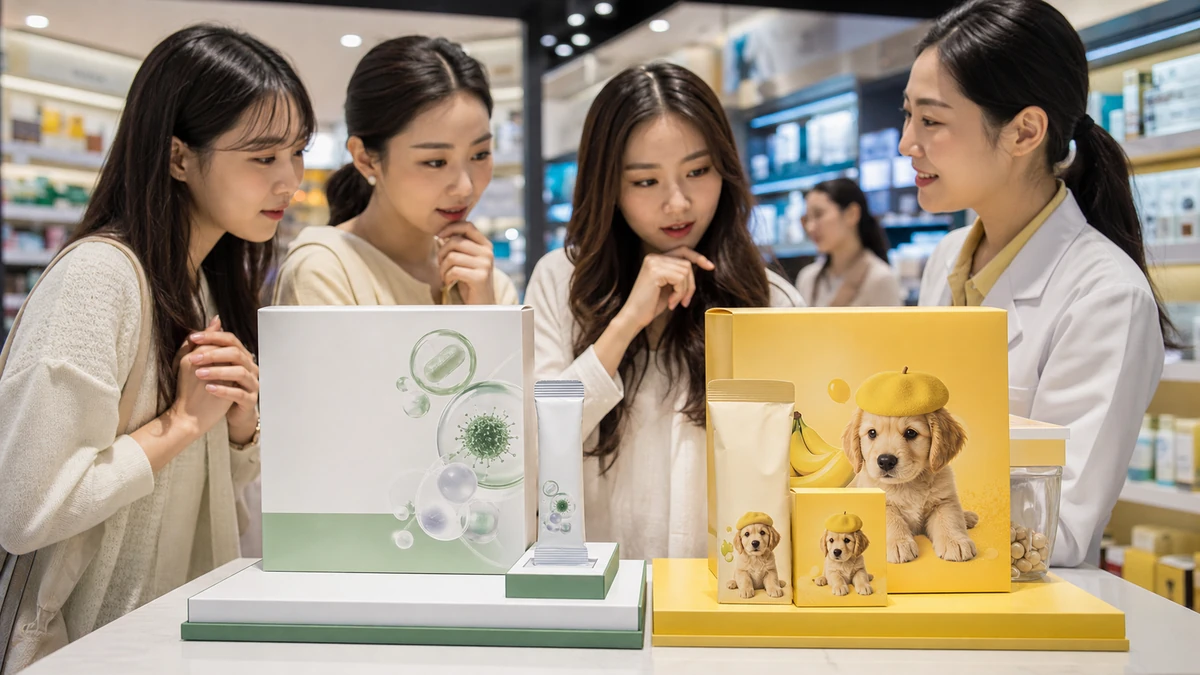
hy has introduced a new probiotic product under its Bylive brand, marketed around both immune support and gut health. CJ Wellcare, meanwhile, is taking a very different route, launching a banana enzyme product packaged with Pompompurin, the Sanrio character recognizable to many consumers outside Korea alongside better-known figures such as Hello Kitty.
At first glance, one product built around an immune-focused probiotic and another dressed in cartoon branding may seem like separate stories. In fact, they point to the same broader trend: South Korea’s supplement market is no longer relying only on generic promises of better health. Companies are trying to reshape how consumers choose, remember and build routines around wellness products.
That matters because South Korea has become one of Asia’s most sophisticated consumer markets for everyday health management. Much as Americans have grown accustomed to seeing shelves devoted to probiotics, collagen powders, immunity gummies and digestive aids at Costco, Target or Whole Foods, Korean consumers increasingly treat supplements as part of daily life rather than occasional purchases. What is changing now is not simply the volume of products, but the style of selling them.
A Korean version of the wellness boom
To understand why these launches matter, it helps to understand the place of “health functional foods” in South Korea. The term refers to products that are not medicines but are sold with recognized functional claims tied to ingredients, such as digestive support, immune-related benefits or nutritional supplementation. In the United States, consumers might think in terms of dietary supplements, nutraceuticals or wellness products. In South Korea, the category is more formally defined and regulated, and it occupies a highly visible place in retail culture.
That has happened alongside larger social changes. South Korea is aging rapidly, but it is also intensely trend-driven and image-conscious. Health management is often framed not only as a medical issue but also as part of productivity, appearance and self-discipline. The result is a market where consumers are highly receptive to products that promise help with very specific concerns: digestion, fatigue, skin health, sleep, liver care and now increasingly immune support.
The language of these products matters. Broad, old-fashioned claims that something is simply “good for you” are giving way to more precise messaging. Companies want consumers to think in categories: gut balance, enzyme support, immunity, stress management or daily routine optimization. That mirrors a wider global shift in the wellness business, where products are increasingly positioned as solutions for narrow, manageable aspects of modern life.
In Korea, however, there is an added layer of cultural context. Functional ingredients often draw legitimacy from a mix of laboratory framing and traditional Korean health knowledge. That can include ingredients associated with herbal medicine, fermented foods or long-standing ideas about maintaining bodily balance. Ginseng, one of Korea’s best-known traditional health ingredients, remains especially powerful in this respect. For American readers, it may be helpful to think of ginseng in Korea the way consumers in the U.S. might think of cranberry for urinary health, turmeric for inflammation-related wellness trends or probiotics for digestion: a familiar ingredient carrying both cultural memory and modern marketing potential.
hy bets on probiotics with a Korean health ingredient twist
hy’s new product, called Bylive Immune Probiotics, reflects that hybrid approach. The company says the product is designed to help consumers manage both immune function and intestinal health, tying together two of the most commercially attractive themes in today’s supplement market.
Probiotics already hold a strong place in Korean consumer life. That is partly because fermented foods are central to the Korean diet, with kimchi the best-known example abroad, and partly because gut health has become a mainstream wellness concern. Korean consumers, like their counterparts in the U.S., have been exposed to years of marketing about the microbiome, digestion and the link between intestinal health and overall well-being. Even when the science is still evolving in public understanding, the category has become normalized.
What makes hy’s launch notable is the way it tries to differentiate itself. The company says the product’s main ingredient is HY7017, a proprietary strain-based ingredient developed from bacteria found in ginseng roots. That claim is significant in the Korean marketplace because it combines a familiar traditional ingredient with a proprietary, science-forward format. Instead of selling ginseng in its classic form as tea, extract or tonic, the company is using it as the source narrative for a modern probiotic ingredient.
For American readers, this is somewhat analogous to a U.S. company taking a plant long associated with folk or traditional health practices and repositioning it through a patented or branded functional ingredient. The appeal is not just the ingredient itself but the implication that the company has transformed a broad tradition into something targeted, tested and differentiated.
The Korean summary also notes that HY7017 is described as an “individually recognized” ingredient. That phrase may sound technical, but it carries weight in South Korea’s supplement business. In practical terms, it signals that an ingredient is being presented as having a specific recognized function, which can help distinguish a product in a crowded field. For consumers, such terminology can operate as shorthand for credibility, even if most shoppers do not study the regulatory details before buying.
That distinction matters because the supplement business, in Korea as in the United States, is crowded with products that can sound interchangeable. A company needs a hook. hy’s hook is not just probiotics. It is probiotics tied to ginseng, immunity and a proprietary ingredient story that sounds both local and science-driven.
From drinkable probiotics to powders and capsules
There is another piece of hy’s strategy that says a lot about where the market is headed: form factor. The company says it plans to expand beyond liquid-centered probiotic products into powders and capsules, broadening how consumers can take them.
That may sound like a minor packaging decision, but it is actually central to how wellness products are sold. In the U.S., supplement makers have spent years adjusting formats to fit different habits, whether that means gummies for adults who dislike pills, protein powders for gym users or ready-to-drink beverages for commuters. Korean companies are navigating the same logic. The easier a product is to fold into a routine, the more likely it is to become a repeat purchase.
Liquid probiotic products have a long history in Korea, where functional drinks have been part of everyday consumer culture for decades. Some are sold in tiny bottles designed for quick consumption, a format that many Koreans associate with convenience and familiarity. But powders and capsules offer different advantages: they travel more easily, often store more conveniently and may fit better with office workers, students or younger consumers accustomed to portable wellness products.
In other words, companies are no longer just asking what ingredient people want. They are asking when consumers will take it, where they will keep it, how often they will remember it and whether the product feels compatible with their lifestyle. That is a classic consumer-goods strategy, and it shows how fully supplements have entered the realm of routine branding rather than niche health retail.
The logic also reflects a broader change in Korean consumption. A fast-paced urban lifestyle, small living spaces and demanding work culture all shape what kinds of products succeed. Convenience can be as important as ingredient prestige. A powder stick tossed into a handbag or desk drawer may be more realistic for many people than a refrigerated drink. That makes the packaging format part of the product’s functional promise, not just a container for it.
CJ Wellcare uses a cartoon character to lower the barrier
If hy is leaning into functionality and ingredient authority, CJ Wellcare is highlighting a different side of the same market: emotional accessibility. The company has introduced BioCore Banana Enzyme in packaging featuring Pompompurin, the beret-wearing golden retriever character from Sanrio, the Japanese company behind a long roster of globally recognized characters.
For an American audience, the easiest comparison may be the way consumer brands use Disney, Pokemon or Hello Kitty tie-ins to make ordinary items feel collectible, giftable or simply more fun. The tactic is common in beauty, snacks and stationery. Applying it to a health-oriented product underscores how much the supplement category has evolved from clinical seriousness into everyday lifestyle merchandise.
That does not mean the product stops being functional. Enzyme products in Korea are often marketed around digestion and post-meal comfort, appealing to consumers who want support for busy eating habits or heavy meals. But many younger shoppers do not begin with the ingredient panel. They begin with whether a product catches their attention, feels approachable or fits the aesthetics of their daily life.
That is especially true in South Korea, where character culture runs deep across age groups. Cute or recognizable characters are not limited to children’s products. Adults in Korea routinely buy character-branded transit cards, cosmetics, office supplies, electronics accessories and cafe merchandise. Characters can signal nostalgia, taste, mood and identity. In a market saturated with information, they also provide instant recognition.
Seen in that context, putting Pompompurin on supplement packaging is more than a decorative choice. It is an attempt to reduce intimidation around a product category that can otherwise feel technical or dull. Supplements often require consumers to parse ingredient names, dosage language and functional claims. A familiar character can create a friendlier entry point, particularly for younger buyers who might be building wellness routines for the first time.
There is also a strategic global dimension to the choice. Pompompurin is not a Korean original, but it is widely recognizable across Asia and beyond. That gives the packaging a kind of cross-border fluency. Even for consumers who know little about Korean supplement brands, the character provides a familiar visual cue. It signals that Korean food and wellness companies are not only developing products for domestic use, but also thinking in the polished, globally legible language of lifestyle branding.
Why functionality alone is no longer enough
The bigger story here is that Korean supplement makers are responding to a more sophisticated consumer. It is no longer sufficient to say a product contains vitamins or digestive support. Consumers increasingly want a sharper pitch: what specific function is this meant to serve, what makes the ingredient distinctive and how easily can it fit into my daily routine?
That is why the messaging around hy’s product emphasizes both immune function and gut health rather than a vague promise of wellness. It is also why CJ Wellcare’s character collaboration makes sense. The competition is not only about ingredients. It is also about memory, shelf appeal and emotional connection.
American consumers have seen similar tactics unfold across the wellness industry. Protein powders were once marketed mainly to athletes; now they come in coffeehouse flavors and pastel packaging aimed at mainstream women. Vitamins once came in pharmacy-style bottles; now they arrive as candy-like gummies in Instagram-ready containers. Sleep support products are framed less as medical interventions than as part of a “wind-down routine.” The Korean market is following a parallel path, but it is doing so with Korean cultural reference points and retail habits.
This shift also says something about how health is being personalized. Consumers are encouraged to think not in terms of one universal supplement, but in terms of modular self-care: one product for digestion, another for immunity, another for skin, another for energy. The result is a more segmented market, where product launches can target very narrow combinations of need state, ingredient story and lifestyle fit.
At the same time, there are limits consumers need to keep in mind. These products are not medicines, and their claims should not be confused with treatment or diagnosis. That distinction is important in any country, especially in a supplement category where marketing language can sometimes run ahead of what average shoppers fully understand. The Korean story itself points to that boundary, noting that such products belong to the realm of everyday health management rather than clinical care.
Traditional ingredients, modern marketing
One of the most revealing aspects of this story is the way it captures two different growth strategies in Korea’s wellness economy. One strategy is ingredient differentiation rooted in Korean health traditions. The other is consumer engagement rooted in global pop culture and branding.
hy’s HY7017 ingredient is an example of the first. By invoking bacteria discovered in ginseng roots, the company taps into an ingredient that carries deep cultural familiarity in Korea. Ginseng is not just a crop or supplement ingredient there. It is one of the country’s signature symbols of health, longevity and premium nourishment. Turning that cultural asset into a probiotic story allows the company to present something that feels both local and modern.
CJ Wellcare’s Pompompurin package is an example of the second strategy. Instead of asking consumers to connect with the product through scientific distinction alone, it uses the language of character fandom and visual friendliness. In practical terms, one company is trying to win trust through functional specificity and ingredient innovation; the other is trying to win attention and habit formation through branding and emotional familiarity.
Neither approach is accidental. Together, they show how Korean companies increasingly view supplements as consumer packaged goods rather than purely health products. That means success can depend on everything from package design to portability to whether a product feels shareable online. In a country where trends spread quickly through digital culture and where convenience stores, online marketplaces and social commerce all play major roles in daily buying behavior, those factors matter.
For global observers of Korean consumer culture, this is also a reminder that the Korean Wave extends beyond music, television and beauty. K-food and K-wellness are becoming more visible as part of the same ecosystem. Just as Korean skin care transformed routine cosmetics into aspirational lifestyle systems for international consumers, Korean supplement brands are beginning to package health maintenance in ways that combine technical language, visual polish and cultural storytelling.
What consumers should pay attention to
For shoppers, whether in Korea or elsewhere, the rise of highly branded wellness products creates both opportunity and confusion. On one hand, consumers now have more tailored choices than ever before. A person who dislikes swallowing pills may prefer a liquid or powder. Someone focused on digestive comfort may look for enzyme products, while another person may prioritize probiotics or immune-related messaging.
On the other hand, more polished marketing can make it harder to separate actual functionality from aesthetic appeal. That is why the basics still matter. Consumers should look first at what function a product claims to support, then at the main ingredient or strain behind that claim and finally at whether the format matches a real daily habit.
In hy’s case, the company is clearly emphasizing the dual focus on immune function and gut health, alongside the proprietary HY7017 ingredient story. In CJ Wellcare’s case, the packaging may provide the first attraction, but the practical question remains what role the enzyme product is supposed to play in a person’s routine and whether that aligns with their needs.
This is especially relevant for younger buyers, who are increasingly central to the supplement market. Younger consumers often approach wellness less as a response to illness than as a proactive, identity-linked routine. They may be interested in supplements as part of a broader package that includes fitness, skin care, sleep tracking and carefully curated food habits. For that audience, products that feel simple, specific and visually appealing have a built-in advantage.
In the end, what is happening in South Korea is not just a product rollout story. It is a window into how a modern consumer society turns health management into an everyday retail experience. The products highlighted by hy and CJ Wellcare suggest a future in which supplements become more personalized, more segmented and more culturally stylized. One product draws authority from a probiotic strain linked to ginseng roots. Another uses a beloved character to make digestive support feel less clinical and more approachable. Both are trying to answer the same question: how do you make wellness part of daily life for more people?
That question is hardly unique to South Korea. But the Korean answer, as usual, is emerging through a distinctive blend of tradition, design savvy and relentless attention to consumer behavior. For American readers watching the next stage of Korean consumer culture, the supplement aisle may be an unexpectedly revealing place to look.
Comments
Post a Comment