A Chrysanthemum Recall in South Korea Carries a Broader Warning for Wellness Shoppers: Read the Label First
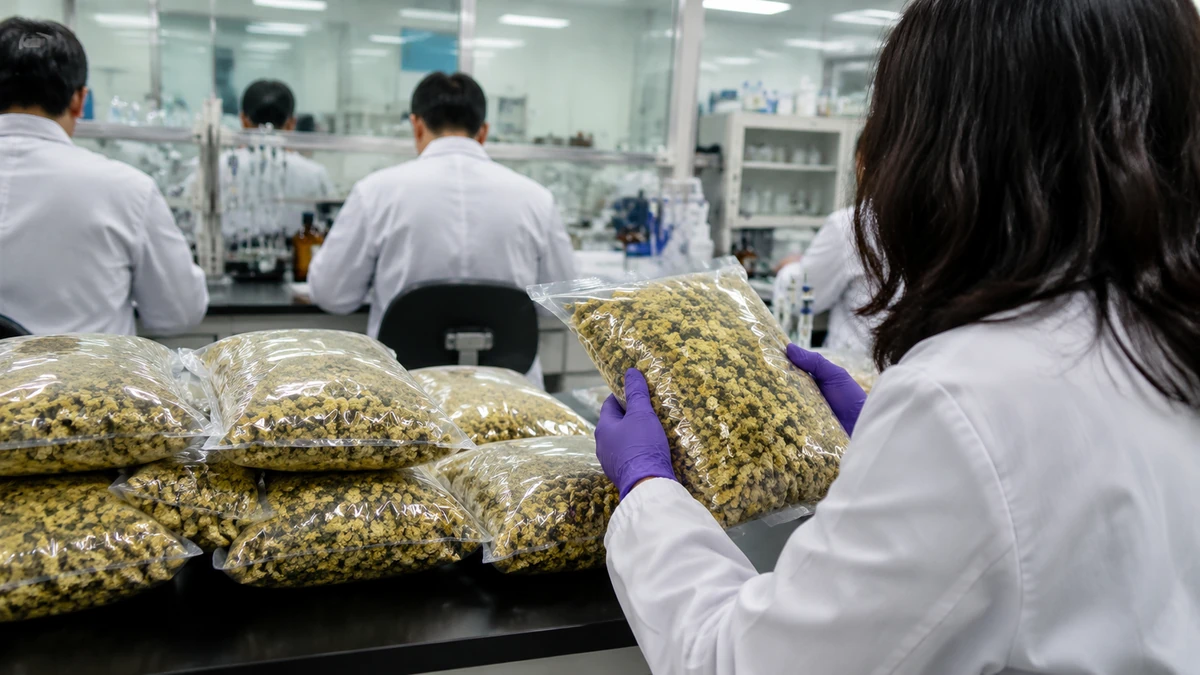
A routine recall with a bigger message
A food recall in South Korea this week may sound minor at first glance: authorities ordered the sale stopped and began recalling a domestically produced chrysanthemum product after excessive levels of cadmium, a toxic heavy metal, were detected. But the case points to a much broader issue that will sound familiar to American consumers living in an age of wellness teas, herbal supplements, farmers market ingredients and so-called natural remedies: products marketed with a healthy image still need rigorous safety checks, and shoppers still need to read labels carefully.
According to South Korea’s Ministry of Food and Drug Safety, the recalled item is a packaged and sold domestic chrysanthemum product handled by a distributor identified as Saemgreen Distribution. The affected product carries a use-by date of Jan. 18, 2029. Authorities said cadmium levels exceeded the legal standard, prompting an order to halt sales and begin a recall. Consumers who already bought the product have been asked to stop consuming it and return it to the place of purchase.
In practical terms, that makes this a straightforward consumer safety alert. Officials identified the product, explained the reason for the recall and told the public what to do next. Yet beneath that concise public notice is a larger public health lesson: when food and wellness increasingly overlap, the safest choice is not necessarily the one with the most wholesome image. It is the one that has been properly tested, clearly labeled and, when problems arise, quickly traceable.
For readers in the United States, the dynamic is easy to recognize. American store shelves are crowded with herbal teas, turmeric drinks, mushroom coffees, dried botanicals and supplement powders that promise calm, focus, detox or better sleep. South Korea’s consumer market has a similar wellness streak, though it is shaped by its own traditions, including a long familiarity with medicinal herbs, tea ingredients and food items that can also be used in health-oriented ways. That cultural overlap helps explain why this chrysanthemum recall is more than a local oddity. It is a case study in what happens when a product associated with health turns out to fall short on safety.
That distinction matters. Public health experts have long warned that “natural” does not mean harmless. Heavy metals can enter agricultural products through soil, water or environmental contamination, and consumers generally have no way to detect that risk on sight, by smell or by taste. A recall, then, becomes one of the few moments when the system briefly makes invisible risk visible.
Why chrysanthemum matters in Korean food culture
To many Americans, chrysanthemum may be most familiar as an ornamental flower seen in fall displays or at florists. In Korea and other parts of East Asia, however, some varieties of chrysanthemum are also consumed, especially in teas and traditional food or herbal contexts. The Korean summary of the recall notes that the item was identified not only as chrysanthemum but also by the herbal name “gamguk,” a term that can refer to chrysanthemum used in medicinal or quasi-medicinal settings.
That cultural detail is important because it helps explain why this product belongs to a category that can blur the line between food and health aid. In Korea, there is a well-established consumer habit of purchasing ingredients not just for flavor or calories, but for what people believe those ingredients may do for the body. Teas, dried roots, grains, fruits and blossoms are often folded into daily routines aimed at digestion, immunity, warmth, circulation or general well-being. It is not unlike the way many Americans treat ginger shots, chamomile tea or apple cider vinegar: less as medicine in a clinical sense, but more as a regular wellness ritual.
That image can create a false sense of reassurance. If something comes from a flower, a root or a traditional pantry ingredient, consumers may assume it is gentler, cleaner or inherently safer than processed food. In reality, agricultural and botanical products are still vulnerable to contamination, including pesticides, microbes and heavy metals. The very fact that a product is dried, packaged and sold for repeated consumption may make careful testing even more important.
In South Korea, products like these are sometimes described as items that can be used for both food and medicinal purposes. That is not a concept many Americans encounter in everyday supermarket language, but the closest comparison might be the gray area between groceries and supplements in the U.S. A bag of dried chrysanthemum for tea is not the same as a prescription drug, but neither is it just an impulse snack. Consumers may approach it with an expectation of health benefit, which can lower their guard.
This recall disrupts that assumption. It reminds buyers that a positive health reputation, whether rooted in tradition or modern branding, cannot substitute for basic safety compliance. In any country, “good for you” claims or associations should come only after “safe for you” is established.
What cadmium is, and why regulators take it seriously
Cadmium is a naturally occurring metal, but in the context of food safety it is treated as a contaminant because exposure above certain levels can pose health risks over time. It can enter crops through contaminated soil, water or industrial pollution. Unlike spoilage that changes a food’s smell or texture, cadmium contamination is something consumers cannot detect with their senses.
In the United States, cadmium has come under scrutiny in discussions about baby food, rice, cocoa products, shellfish and certain vegetables. The issue is not unique to South Korea. It is part of a broader global challenge in modern food systems: agriculture happens in real environments, and those environments can carry the residue of industry, fertilizers, mining and other forms of contamination. That is why national food safety standards exist in the first place.
The South Korean government did not, in the summary provided, describe any illnesses linked to this specific product. That is an important distinction. A recall does not always mean people have already been harmed. Often it means regulators detected a problem before a clear injury cluster emerged and acted to reduce the chance of exposure. That is exactly how the system is supposed to work.
For consumers, however, the phrase “heavy metal” can trigger understandable alarm. It helps to keep the response grounded. The central issue here is not panic but exposure prevention. Authorities are telling people to stop consuming the product, verify whether what they bought matches the recalled item and return it if it does. Those steps matter more than speculation. In food safety, practical action usually does more to protect health than dramatic language.
At the same time, the cadmium finding should not be brushed off as technical jargon. Standards are set for a reason. When a product exceeds the allowable level, it means the item does not meet the threshold regulators have determined is acceptable for sale. That alone is enough to justify concern and recall.
This is especially relevant in wellness markets, where people may consume the same tea or botanical ingredient repeatedly over long periods. A single cup of tea may not strike consumers as consequential. But repeated, habitual use is exactly what makes contamination in a health-oriented product worth addressing promptly. The cumulative nature of exposure is part of the story, and it is one reason “natural” products deserve the same scrutiny as any other food item.
How South Korea’s recall system works in practice
The recall also offers a glimpse into how food safety enforcement operates in South Korea. The Ministry of Food and Drug Safety announced the problem and ordered the recall, while local authorities in Seoul’s Dongdaemun district were tasked with carrying out the retrieval process quickly. To American readers, that arrangement may sound somewhat similar to the interaction between federal regulators and state or local agencies in the U.S., where food safety enforcement often relies on both centralized authority and local implementation.
That bureaucratic detail may seem dry, but it matters. Food recalls are only effective when they move beyond a notice on a government website and into the actual supply chain: distributors, retailers and consumers all have to act. A recall becomes real when stores stop sales, customers check pantries and products make their way back out of circulation.
In this case, the official message appears to have included several pieces of information that help consumers identify the affected product with relative precision: the use-by date, the distributor and packager, the product type and, according to the summary, the name of the producer. Those specifics reduce confusion. Without them, buyers may overreact and throw away unrelated products, or underreact and assume the warning applies to someone else.
That balance is crucial in food safety communication. Regulators do not want the public to conclude that all chrysanthemum products are dangerous. Nor do they want buyers to dismiss a clear alert because they assume recalls are abstract or exaggerated. The goal is targeted action: check the label, confirm the match, stop consuming, return the product.
This kind of administrative clarity can be easy to underestimate. In fact, it is one of the strongest tools public agencies have. In a recall, precision is a form of protection. It helps keep the response evidence-based rather than driven by rumor.
For Americans who have watched FDA recall alerts for contaminated lettuce, peanut butter or infant formula, the pattern should feel familiar. A problem is identified, a product lot or date range is specified, officials urge consumers not to use it and a return or disposal process follows. The Korean case differs mainly in the kind of product involved and the cultural assumptions surrounding it. The mechanics of food safety are strikingly universal.
The hidden risk of the wellness halo
If this story has a broader takeaway, it is that products wrapped in a wellness halo often receive more trust than they deserve. Consumers increasingly shop for identity as much as for nutrition. They buy things that signal self-care, balance, natural living or a return to tradition. That is true in Seoul, and it is true in Seattle, Austin and Brooklyn.
The danger is not wellness itself. It is the shortcut in thinking that can come with it. Once a product is mentally filed under “healthy,” many people stop interrogating the basics. Who sold it? Where did it come from? How is it labeled? Has it been recalled? Is it regulated as food, supplement or something in between?
That is why the Korean chrysanthemum recall resonates beyond one product or one country. It exposes the gap between a product’s image and its verified safety status. Chrysanthemum tea ingredients may evoke calm, tradition and botanical purity. None of that protects against contamination if standards are not met.
In the U.S., similar lessons have surfaced repeatedly. Herbal supplements have been found with undeclared ingredients. Powders and teas have occasionally tested positive for contaminants. Imported spices and traditional remedies have at times raised concerns about heavy metals. These incidents do not prove that all wellness products are suspect. But they do show that the category’s health-forward branding can obscure ordinary consumer caution.
That caution does not have to be complicated. In most cases, it begins with the package itself. Labels are not glamorous, but they are often the most useful part of a product in a recall situation. Product name, distributor, expiration or use-by date, origin and lot information can tell shoppers whether a warning applies to them. Those details are easy to ignore in normal times and indispensable in moments like this.
In that sense, the real message of the recall is almost old-fashioned: read the label. Not the marketing copy on the front that promises serenity or wellness, but the traceable information that identifies what the product actually is. For consumers eager to make healthier choices, that small habit may be one of the most effective forms of self-protection.
What consumers should do now
For anyone in South Korea who may have purchased dried chrysanthemum or a similar product for tea or wellness use, the first step is simple: compare the item at home with the recall information. The key details cited in the Korean notice are the use-by date of Jan. 18, 2029, and the fact that the product was packaged and sold by Saemgreen Distribution. Consumers should not assume a product is safe or unsafe based solely on a similar name or appearance. The label matters.
If the product matches the recalled item, officials say not to consume it. That instruction may sound obvious, but in reality many consumers are tempted to minimize a recall once an item is already sitting in the kitchen. Some may think, “I already drank some, so it probably doesn’t matter now,” or “It’s just tea, so how bad could it be?” Public health guidance cuts against that impulse. Once a product is under recall for contamination, the right move is to stop using it.
The next step is to return it to the place of purchase. That may feel like a minor inconvenience, but returns are part of how recalls work. A refund is one aspect. Equally important is removing affected goods from circulation and creating a paper trail that helps retailers and regulators account for the product.
For readers outside Korea, this is also a useful prompt to check your own pantry habits. Do you know where your dried herbs, specialty teas or botanical products came from? Do you keep the packaging after opening them, or do you discard the label and leave yourself no way to match a future recall notice? Small practices like keeping original packaging or photographing a label can make a practical difference later.
There is also a larger civic point here. Food safety systems depend on consumer participation. Regulators can test products and issue warnings, but they cannot personally remove every package from every household. The last link in the safety chain is the individual shopper who reads the notice and acts on it.
Beyond this recall, a reminder about what “healthy” should mean
There is a temptation in modern health culture to focus heavily on benefits: antioxidants, anti-inflammatory properties, traditional wisdom, gut health, detoxification, immunity. Those ideas travel quickly across social media, retail packaging and word of mouth. Safety, by contrast, is less exciting. It is procedural. It lives in inspection reports, contamination thresholds, labels and recall notices.
But in real life, safety is the foundation that makes every other health claim meaningful. A product cannot be healthful in any practical sense if it fails basic contamination standards. That may sound obvious, yet the marketplace often encourages consumers to think in the opposite direction: start with the promise and ignore the paperwork.
The South Korean chrysanthemum recall is a useful corrective. It does not ask consumers to reject traditional ingredients or wellness routines. It asks them to ground those choices in verification rather than image. That is a message that applies well beyond Korea and beyond chrysanthemum itself.
In an era when people are increasingly trying to take charge of their health through everyday decisions, the discipline of checking product information may be one of the most underrated habits of all. Not because every product is dangerous, but because confidence should rest on evidence, not aesthetics. A flower used in tea may seem gentle. A product sold in a wellness context may feel trustworthy. Neither perception replaces testing standards or regulatory oversight.
For American audiences watching the rise of Korean culture in everything from skin care to cuisine to herbal wellness trends, this story offers a grounded perspective. Global interest in Korean products often highlights innovation, tradition and lifestyle appeal. Those are real strengths. But as with any fast-growing consumer space, the basics still matter: clear labeling, enforcement and informed buyers.
That may be the most useful lesson in this recall notice. The point is not fear. The point is literacy. In the world of food and wellness, reading the label is not a fussy extra. It is the beginning of informed, modern health consumption.
Comments
Post a Comment