South Korea’s Popular Streaming Platform Hit by Data Breach
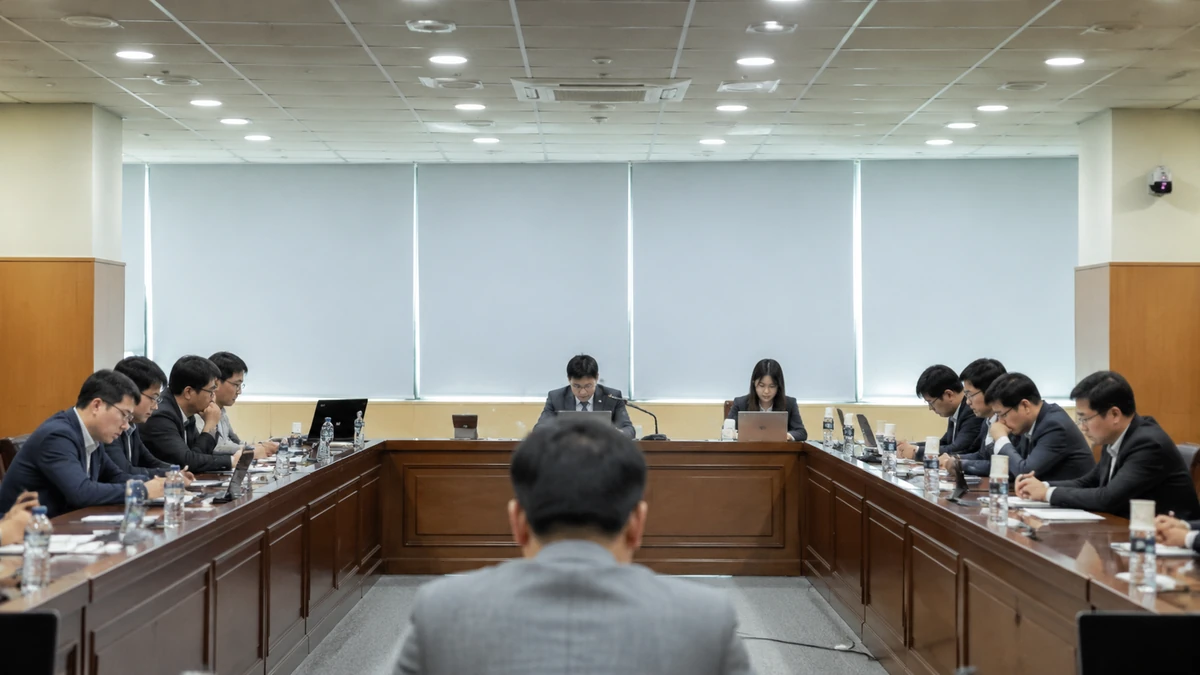
On June 3, 2026, Tving, one of South Korea’s leading online video streaming platforms, announced that it had suffered a significant data breach affecting user information. According to South Korean news agency Yonhap, the Ministry of Science and ICT quickly formed a joint government-private investigation team to assess the incident. While Tving primarily serves as an entertainment platform for dramas, movies, and variety shows, it has become a daily digital hub for users across multiple generations, making the breach a broader societal concern beyond a typical service disruption.
The information reportedly exposed includes user IDs, full names, dates of birth, phone numbers, and email addresses. Although the full scale and the exact method of the breach are still under investigation, the disclosure alone raises concerns about how securely everyday digital platforms in South Korea handle personal information.
The Weight of the Exposed Data
At first glance, the leaked information may seem like standard registration data. However, when combined, it forms a dataset that can uniquely identify and contact users. For comparison, in the United States, breaches of platforms like Netflix or Hulu that expose similar data often trigger immediate user concern and regulatory attention. The distinction here is that Tving is not a niche service; it is integrated into daily routines, including family viewing at home, commuting entertainment, and membership perks for paying subscribers.
The official statement from Tving referred to an “unauthorized external access,” indicating the breach was likely not due to an internal error but rather a deliberate intrusion. This raises questions about the platform’s cybersecurity measures, access control, and incident response protocols—issues that resonate internationally as more digital services store sensitive personal data.
Government and Expert Agencies Step In
The rapid involvement of South Korea’s Ministry of Science and ICT and the Korea Internet & Security Agency (KISA) underscores the public significance of the incident. In South Korea, online video platforms are considered essential infrastructure, not merely entertainment services. Government participation in the investigation aims to identify both the breach’s origin and the extent of user data affected.
The investigative focus has two main branches: determining how the breach occurred and quantifying which users’ data were compromised. This dual approach ensures that subsequent user protection measures are appropriate. In the U.S., similar scenarios often trigger both Federal Trade Commission scrutiny and state-level notifications, highlighting the global parallels in regulatory oversight for digital privacy incidents.
Tving’s Response and User Protection Measures
CEO Choi Joo-hee issued a public apology and confirmed that Tving is conducting individualized notifications and outlining relief procedures for affected users. While an apology is a standard first step, the effectiveness of Tving’s response will depend on the clarity and execution of these remedial actions. Users will naturally want to know if their accounts were directly impacted and how to mitigate potential risks, such as phishing attempts or identity theft.
South Korea has stringent data privacy regulations under the Personal Information Protection Act (PIPA), which mandates that companies implement prompt reporting and remediation when personal data is compromised. This legal backdrop mirrors GDPR requirements in Europe, ensuring that platforms are held accountable for not only public statements but also tangible follow-up actions.
Societal Implications of the Breach
Unlike platforms used sporadically, Tving is part of the everyday digital environment in South Korea. Families stream content together, individuals consume media during commutes, and subscription benefits tie into other lifestyle services. As a result, a breach is felt not just as a technical issue but as a potential threat to daily life and digital trust.
The incident illuminates the tension between convenience and security in modern digital services. Users expect seamless access and personalized recommendations but rely on the provider to manage their data responsibly. When that trust is shaken, the societal impact extends beyond immediate financial or identity risks, creating a lingering sense of digital vulnerability.
Looking Ahead: Investigation and Trust Recovery
The key questions now revolve around the thoroughness and accuracy of the ongoing investigation. The Ministry of Science and ICT and KISA’s findings will establish the factual basis for understanding the breach. Depending on the results, this incident may either remain a case study in rapid crisis response or prompt a broader reevaluation of cybersecurity standards across South Korean platforms.
Restoring public trust will require careful coordination. Users continue to interact with their accounts daily, making transparency and consistent communication essential. Any discrepancies or delays in notifications could undermine confidence further. For global readers, the Tving breach illustrates a universal risk: in an era where digital platforms are central to daily life, even localized incidents highlight vulnerabilities that could happen anywhere, underscoring the importance of robust data protection practices worldwide.
Comments
Post a Comment